RETOURNEMENTS
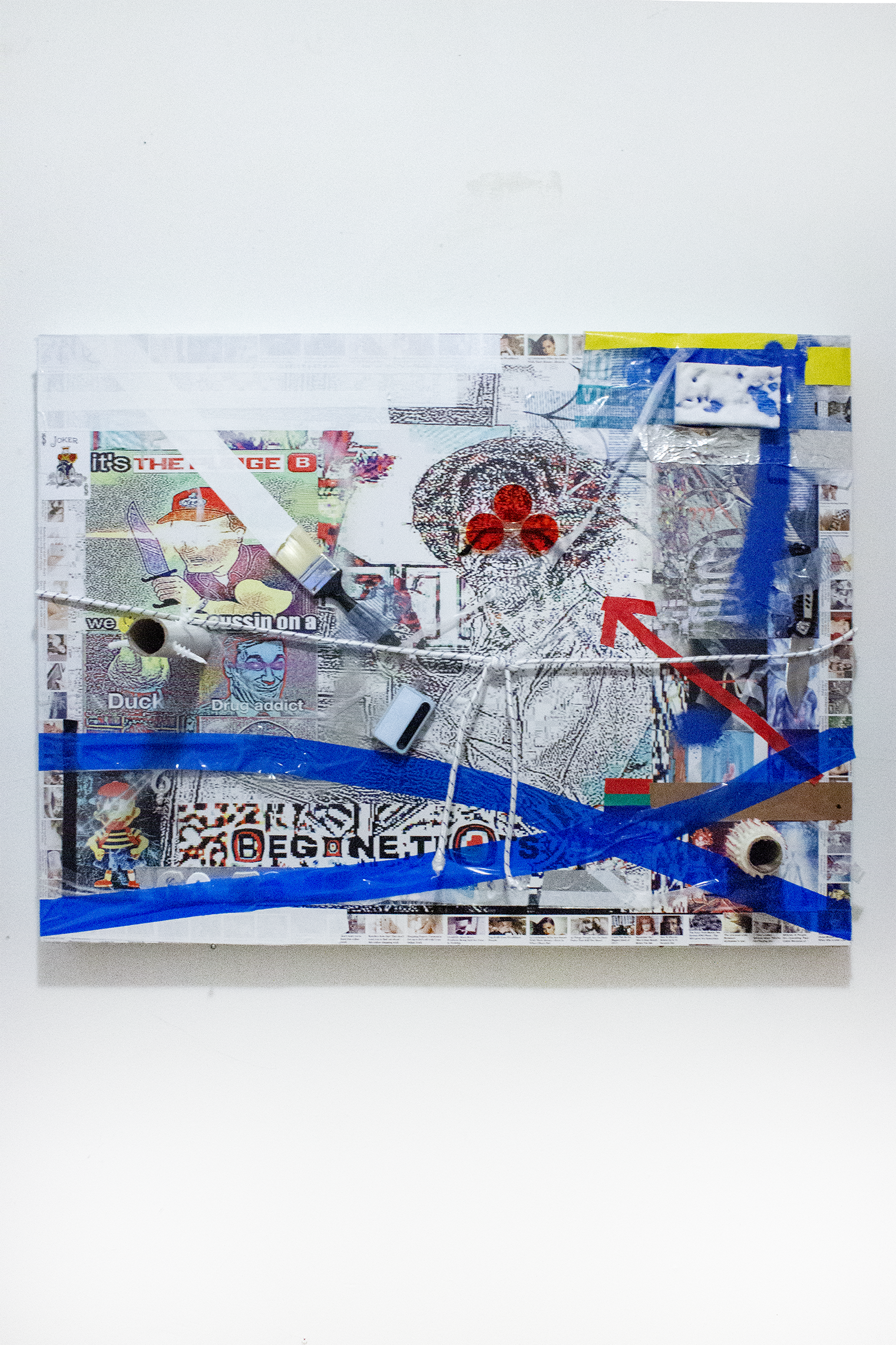
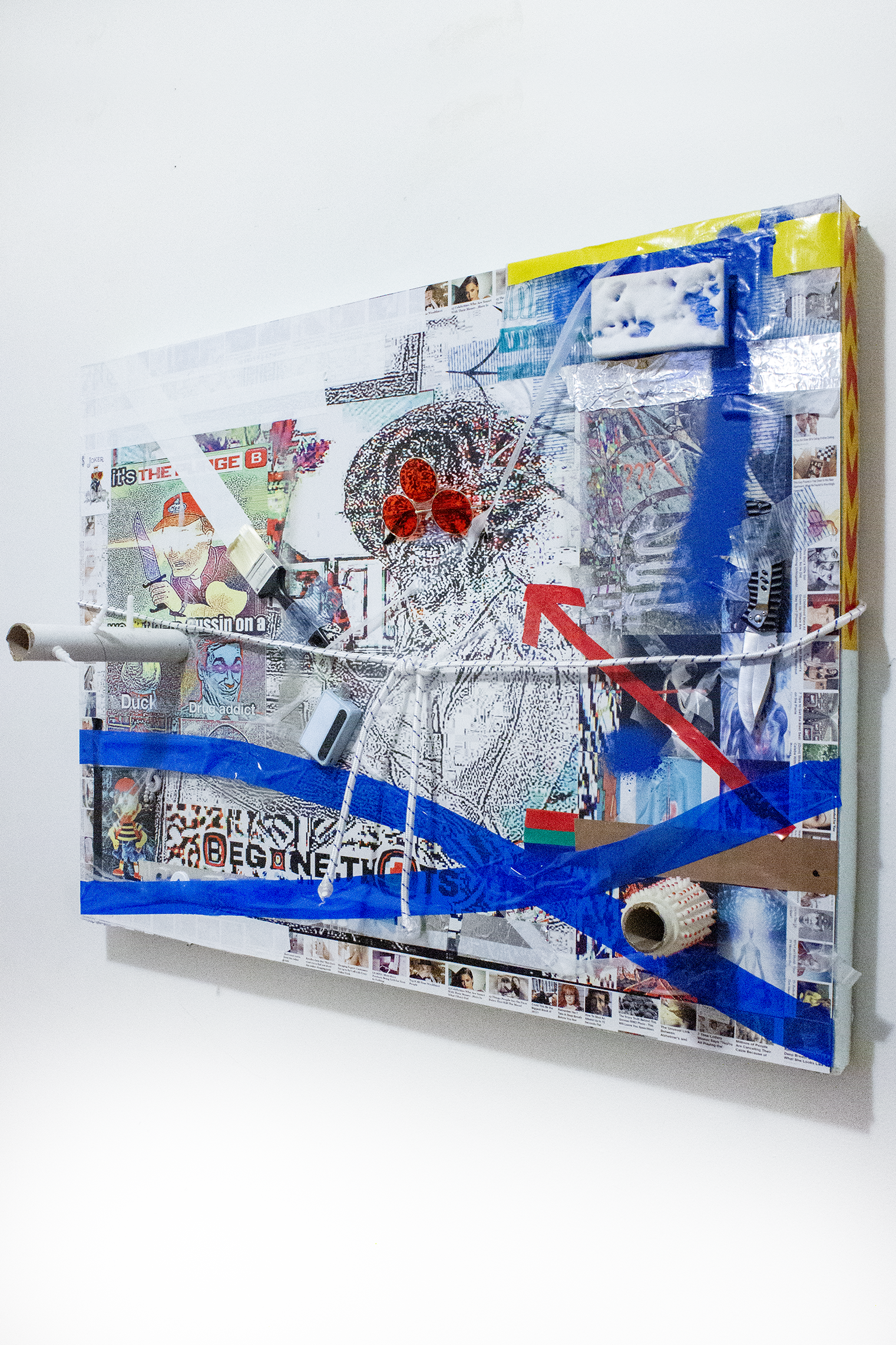
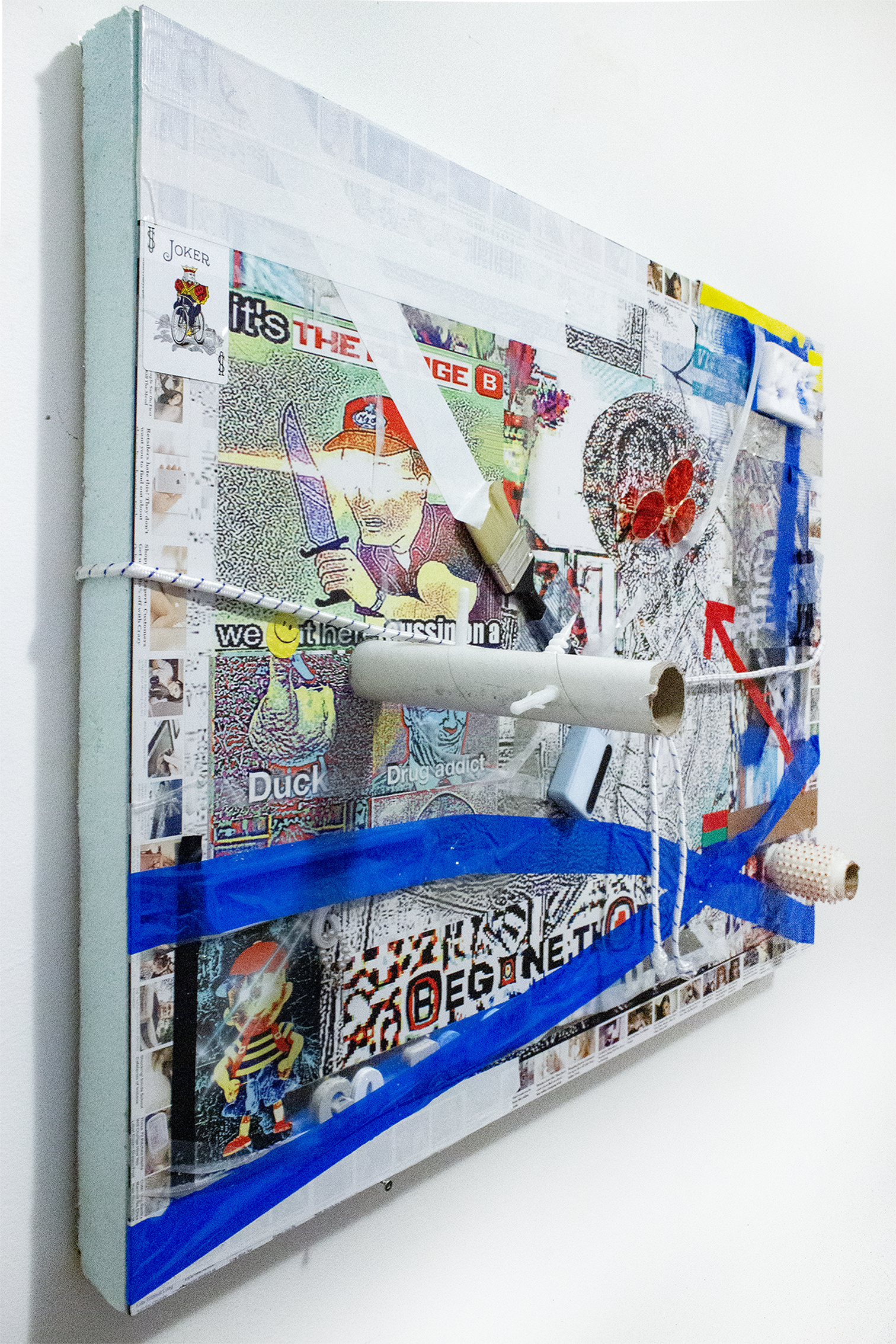
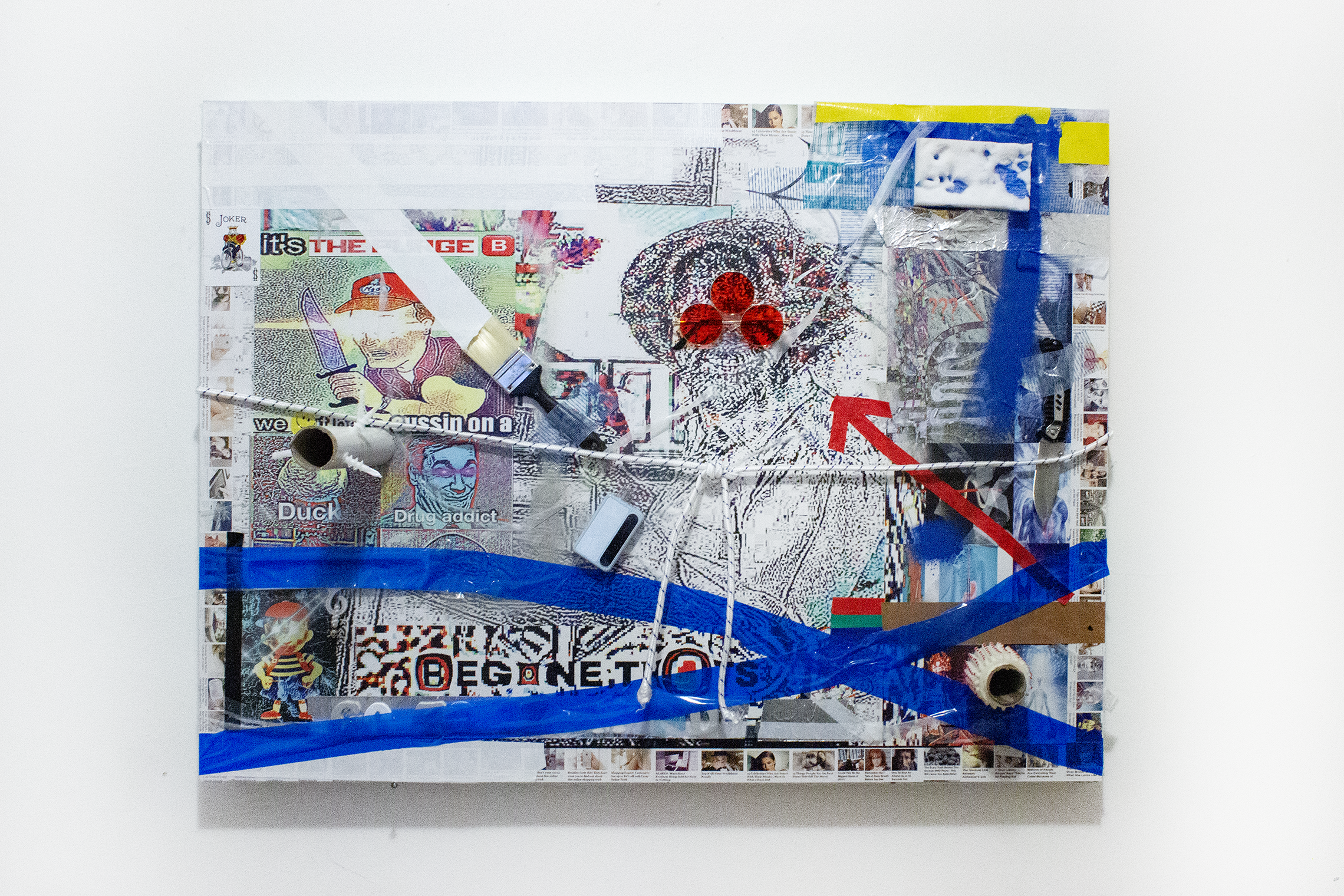
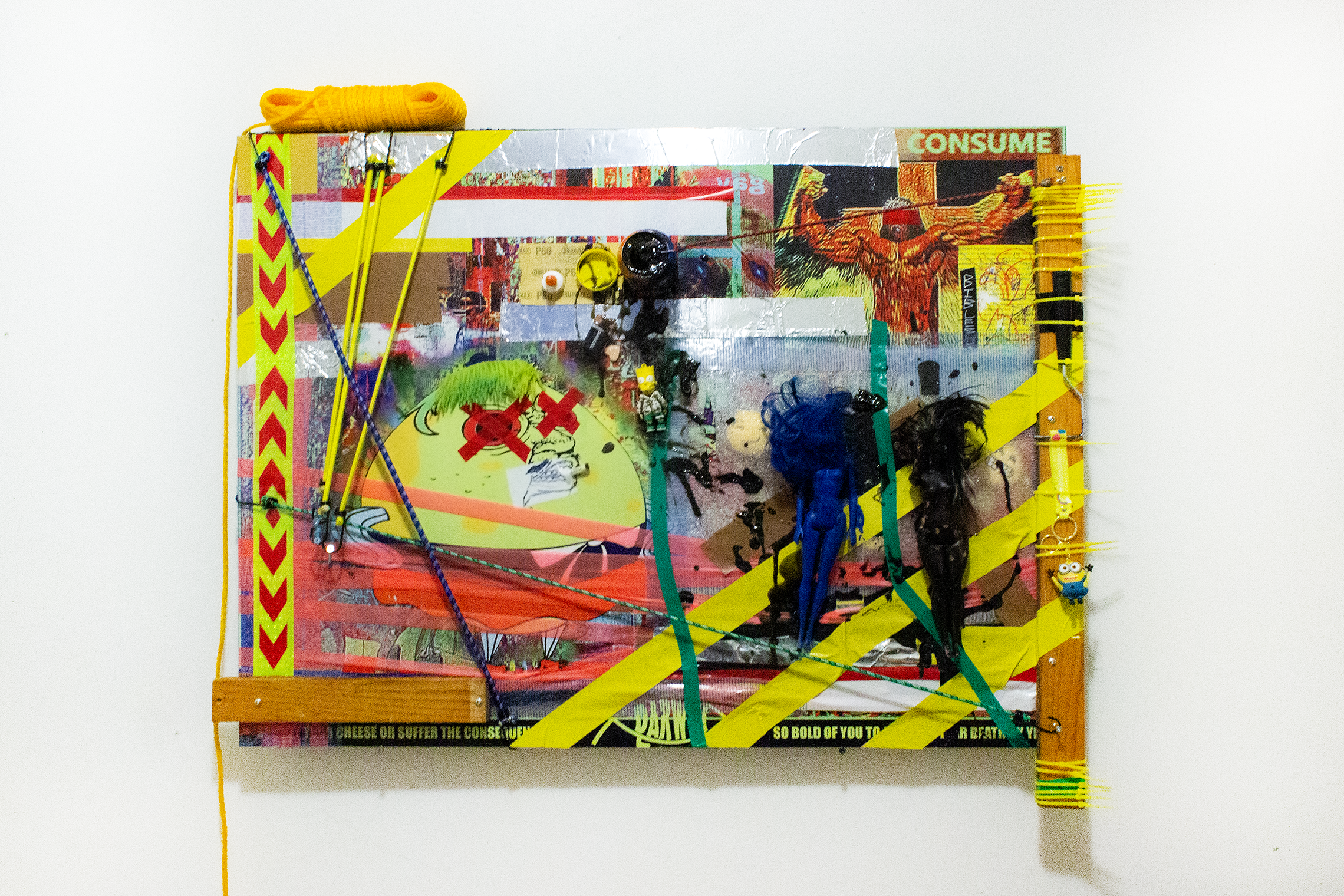
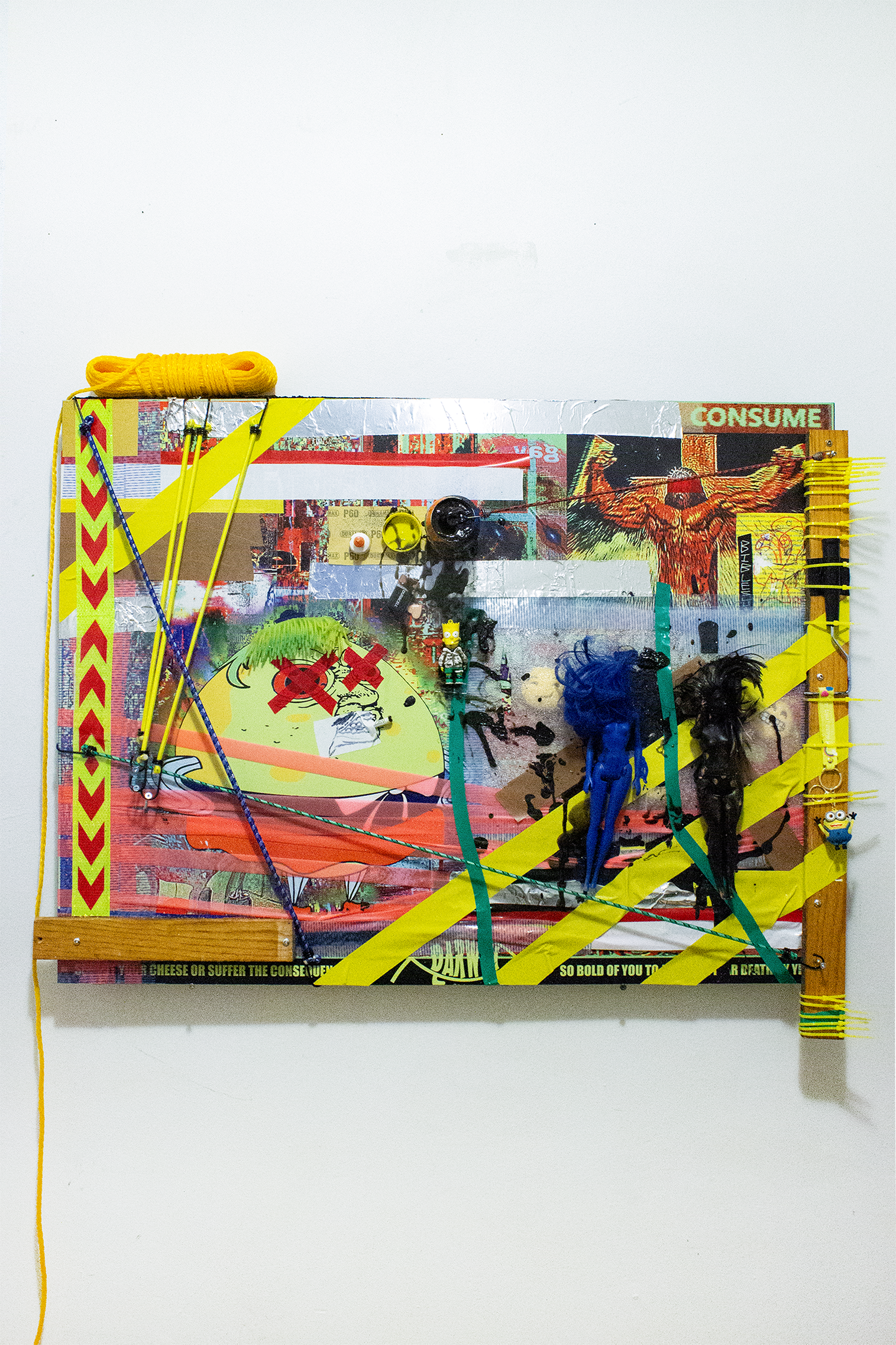
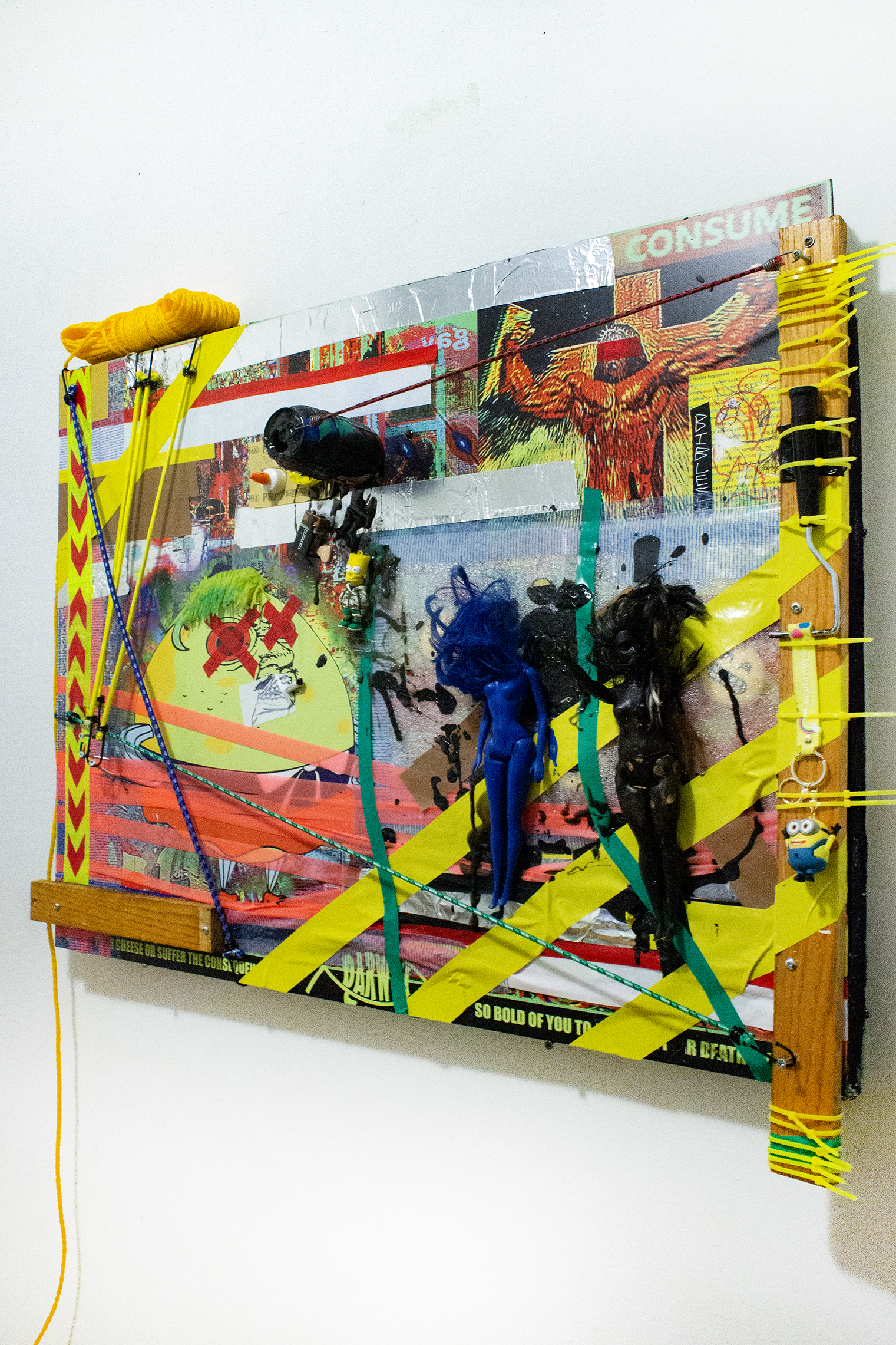
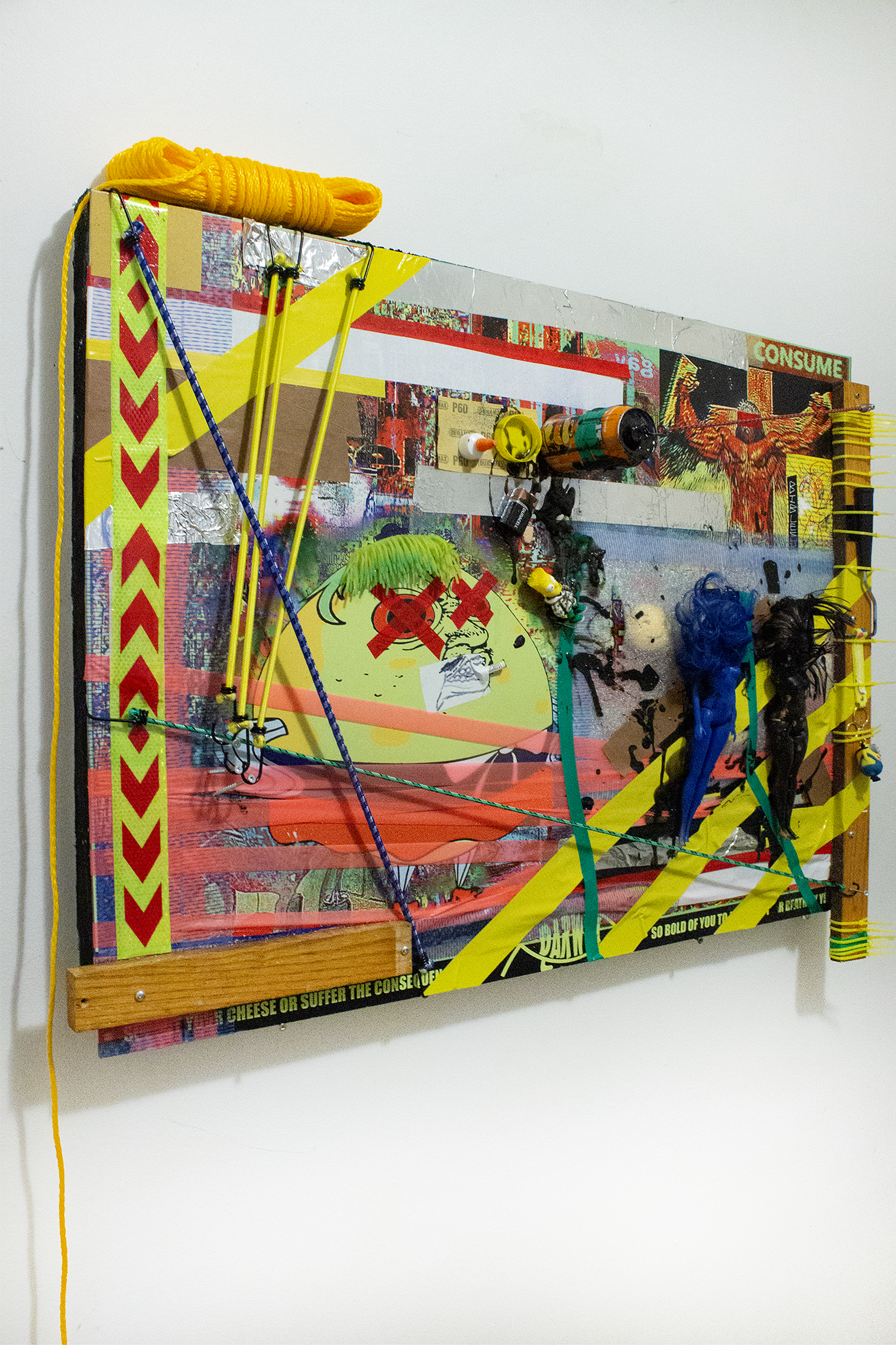
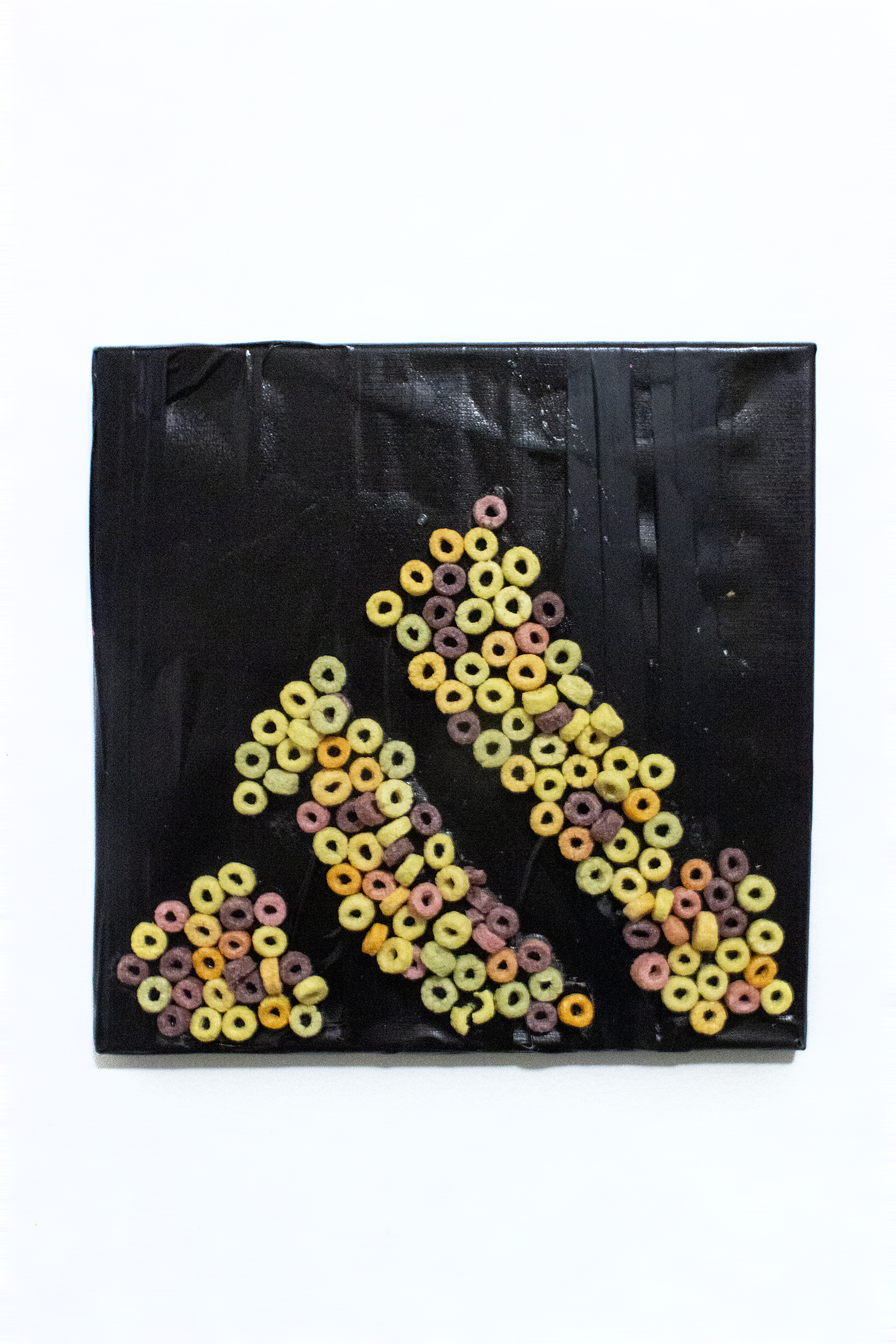
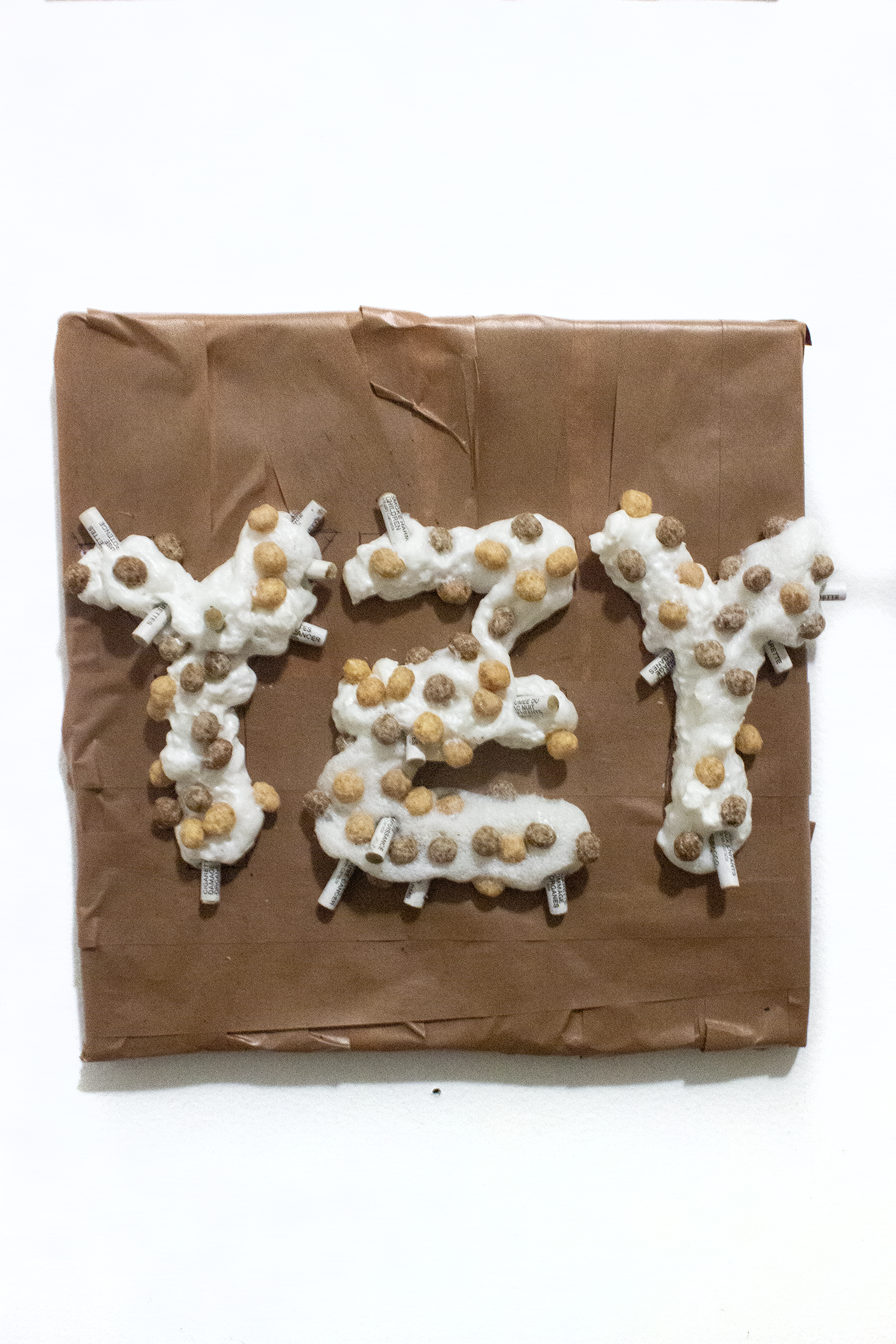
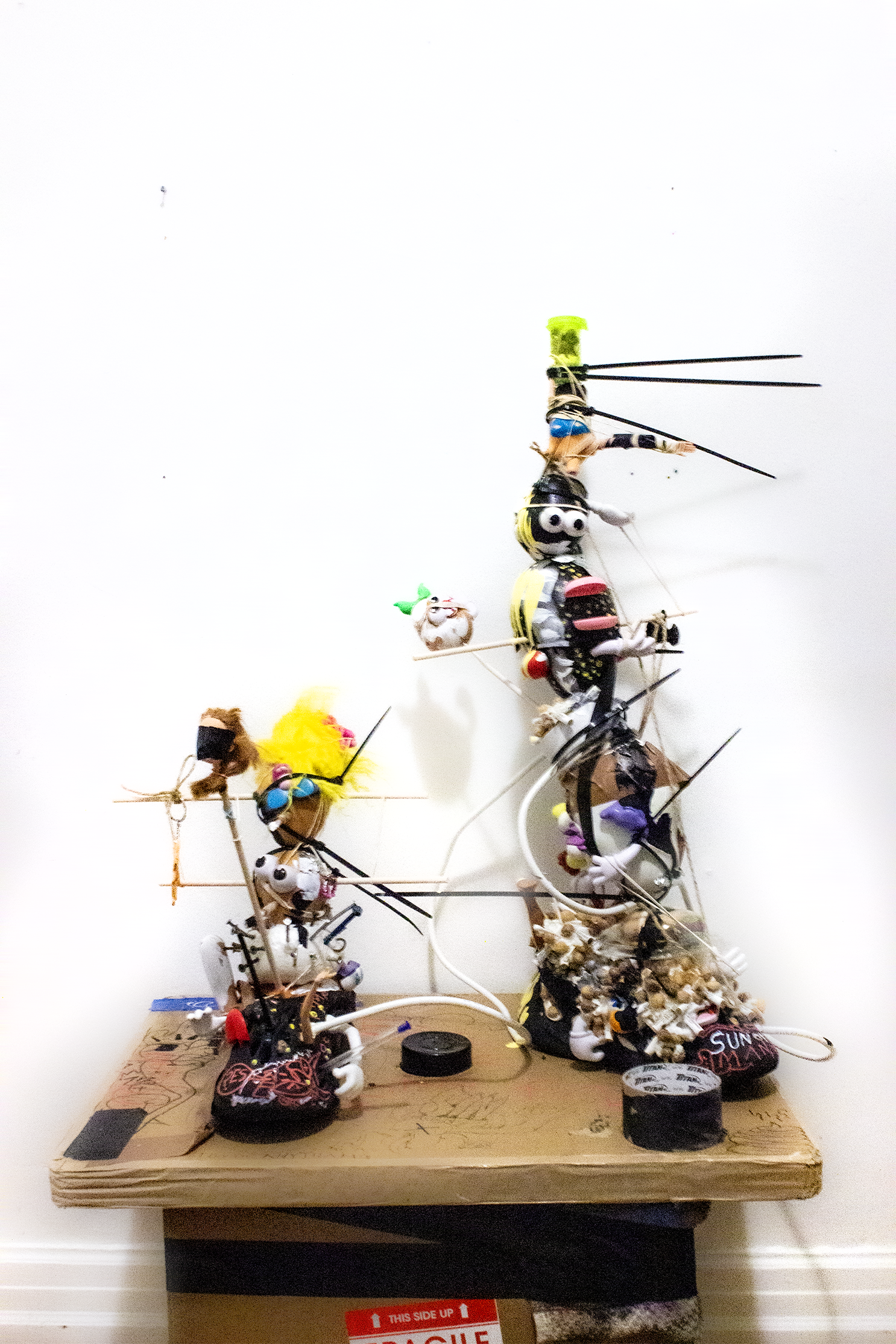
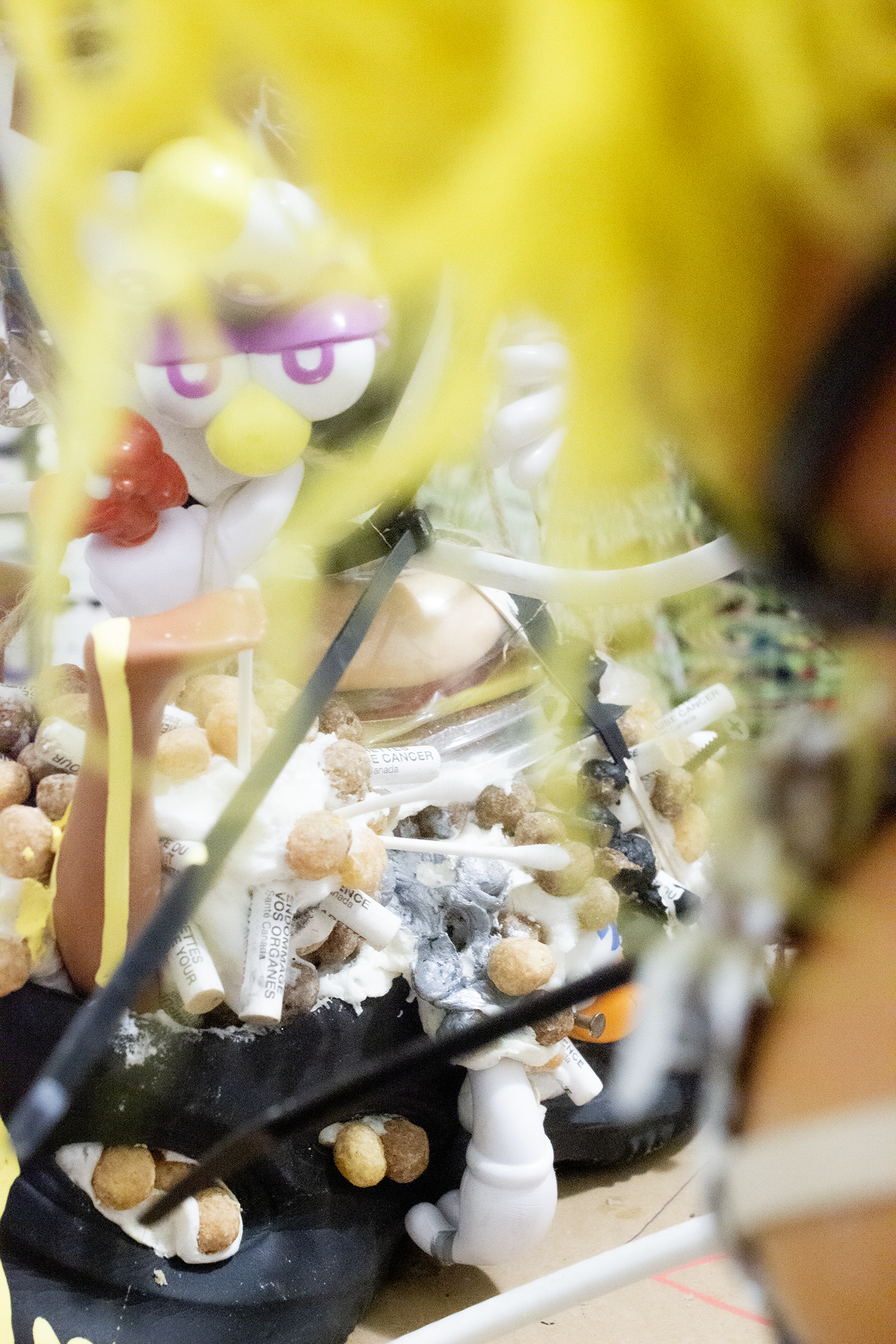
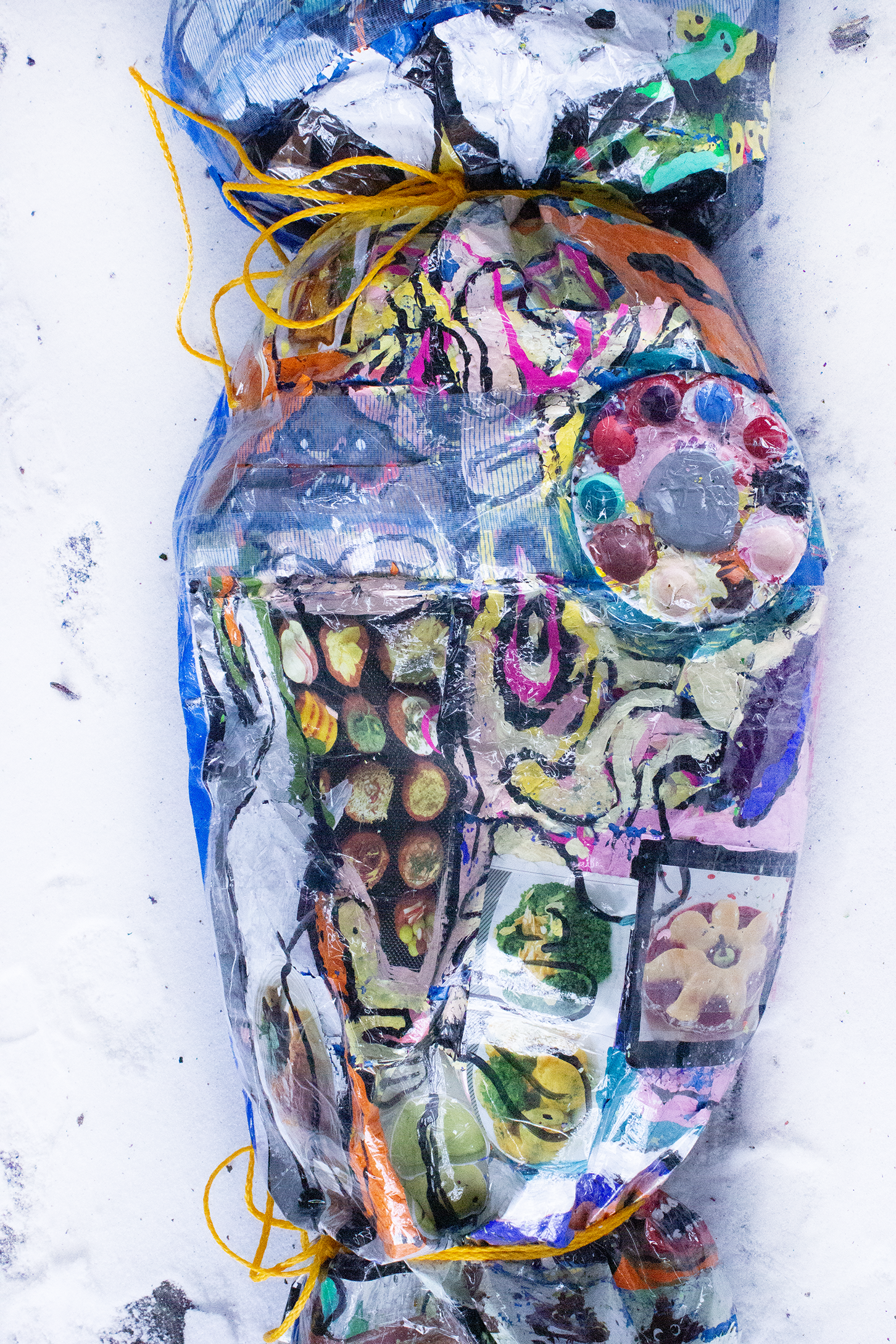
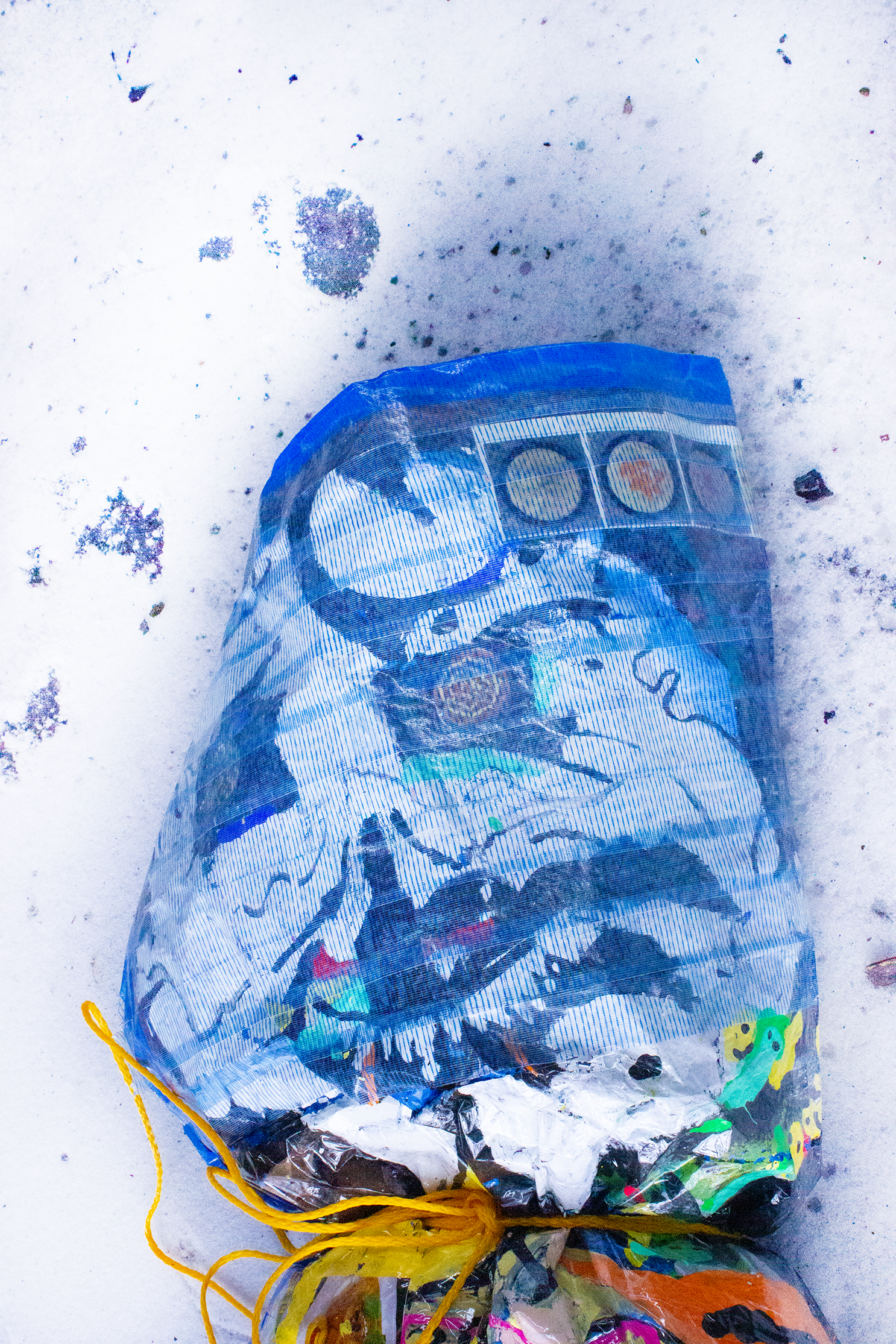
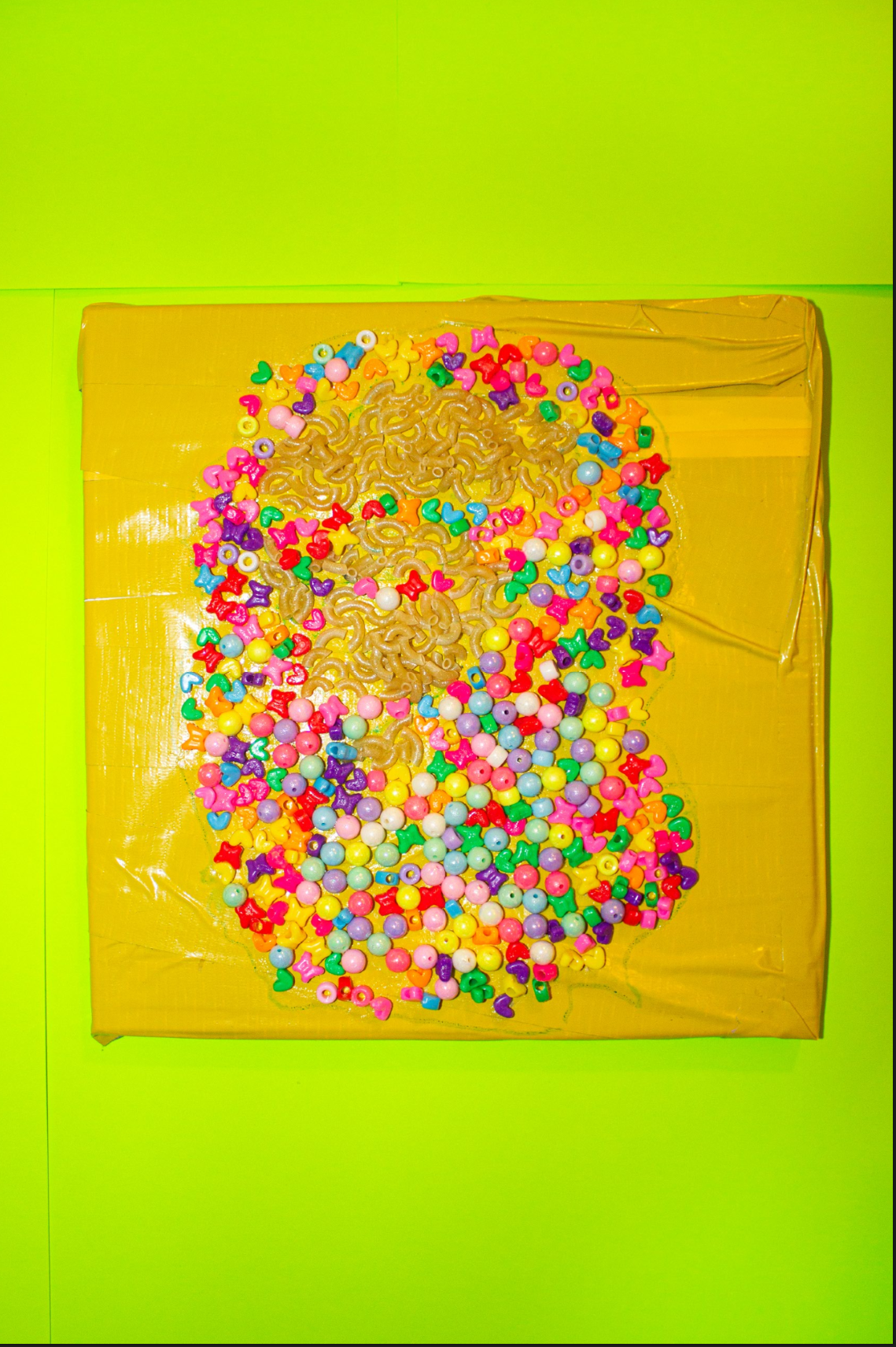
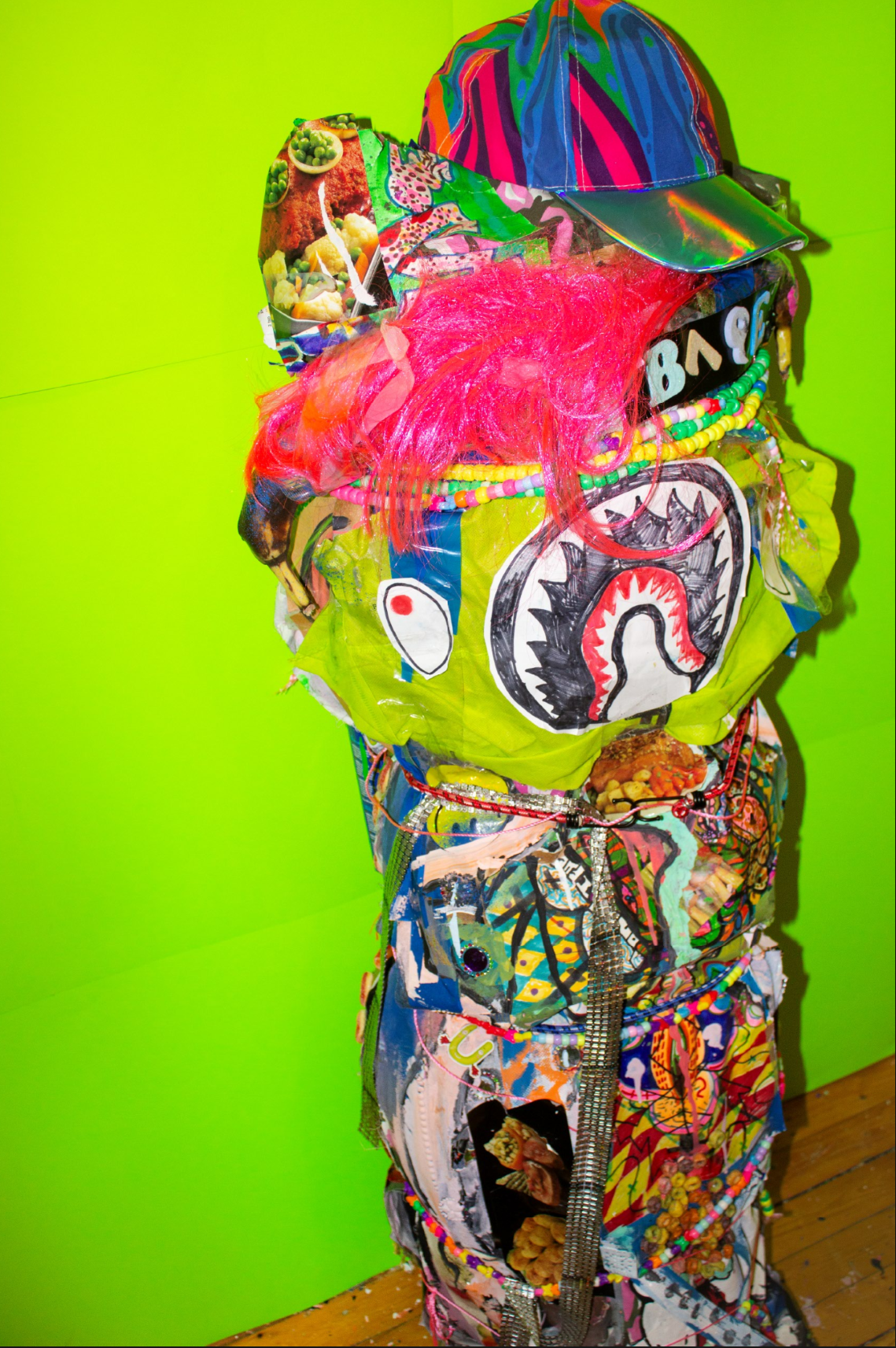
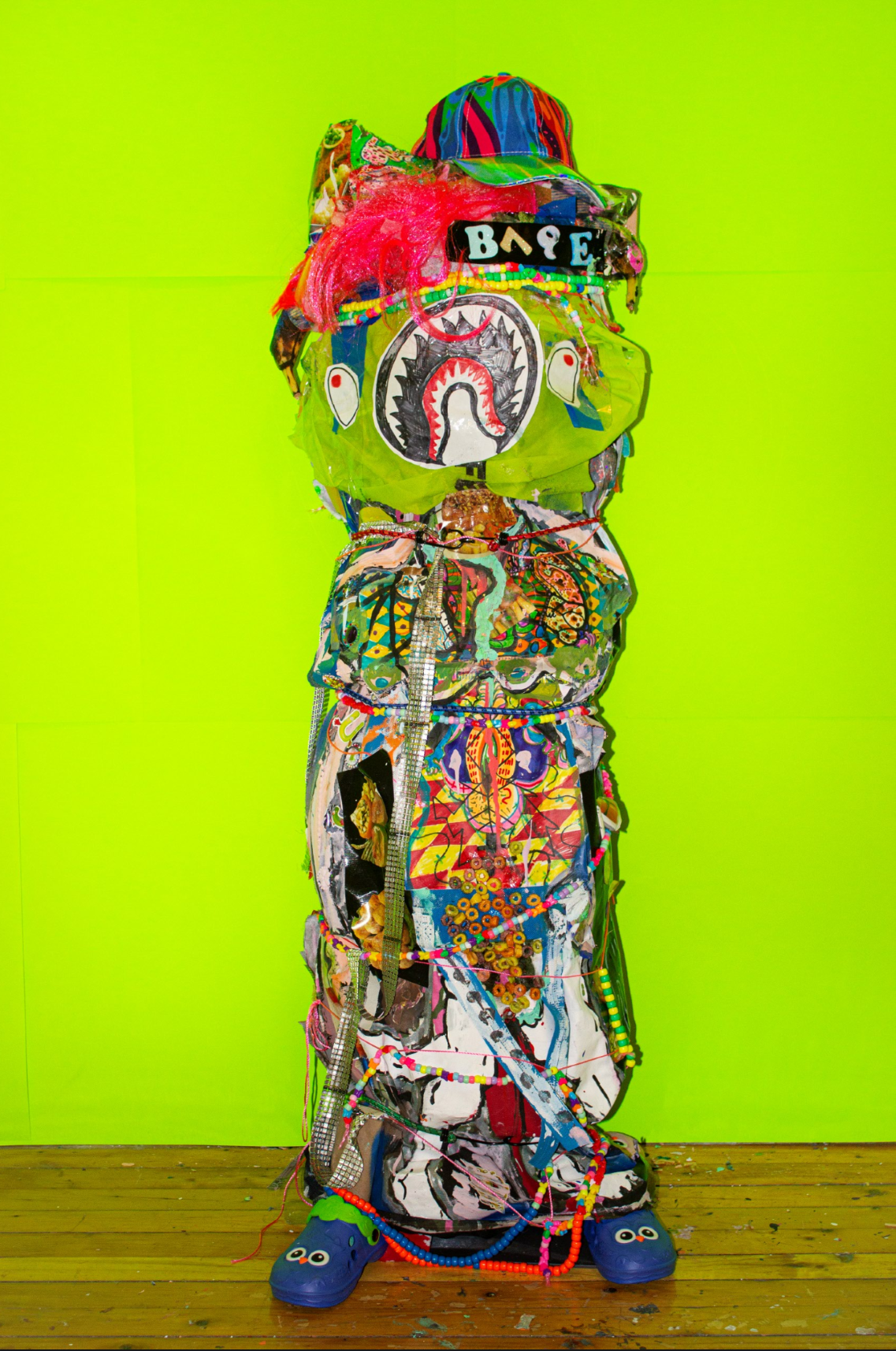
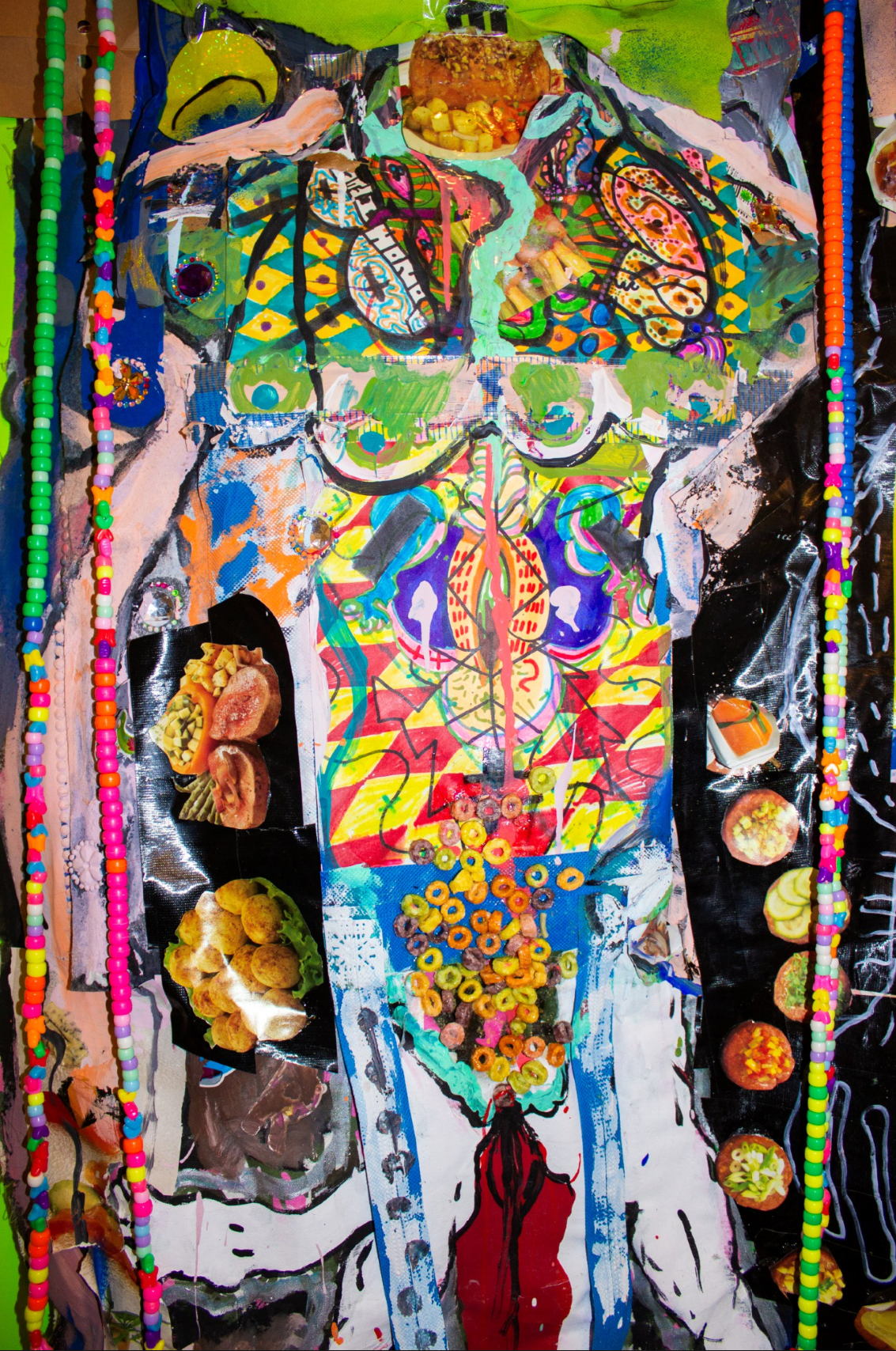
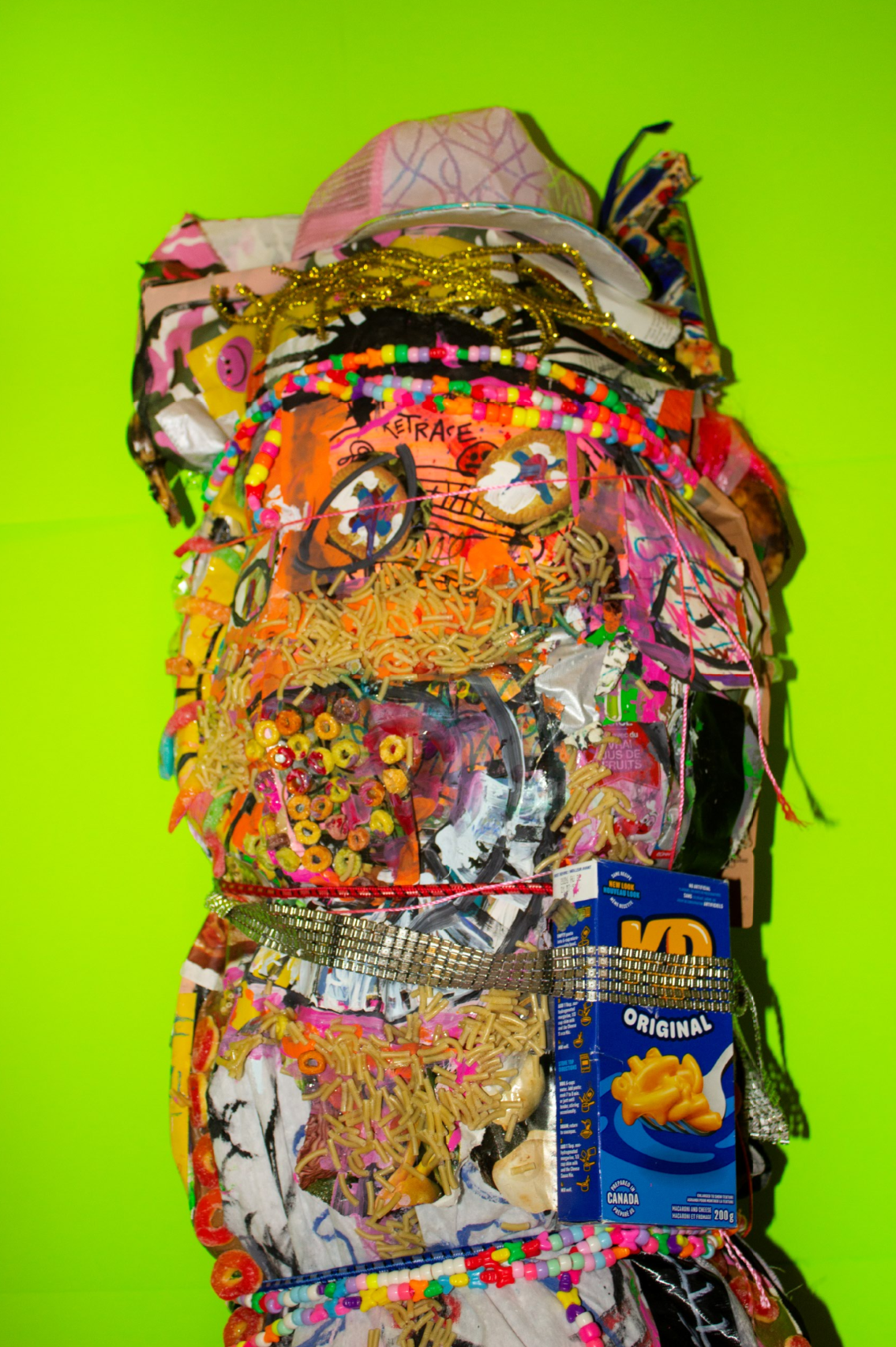
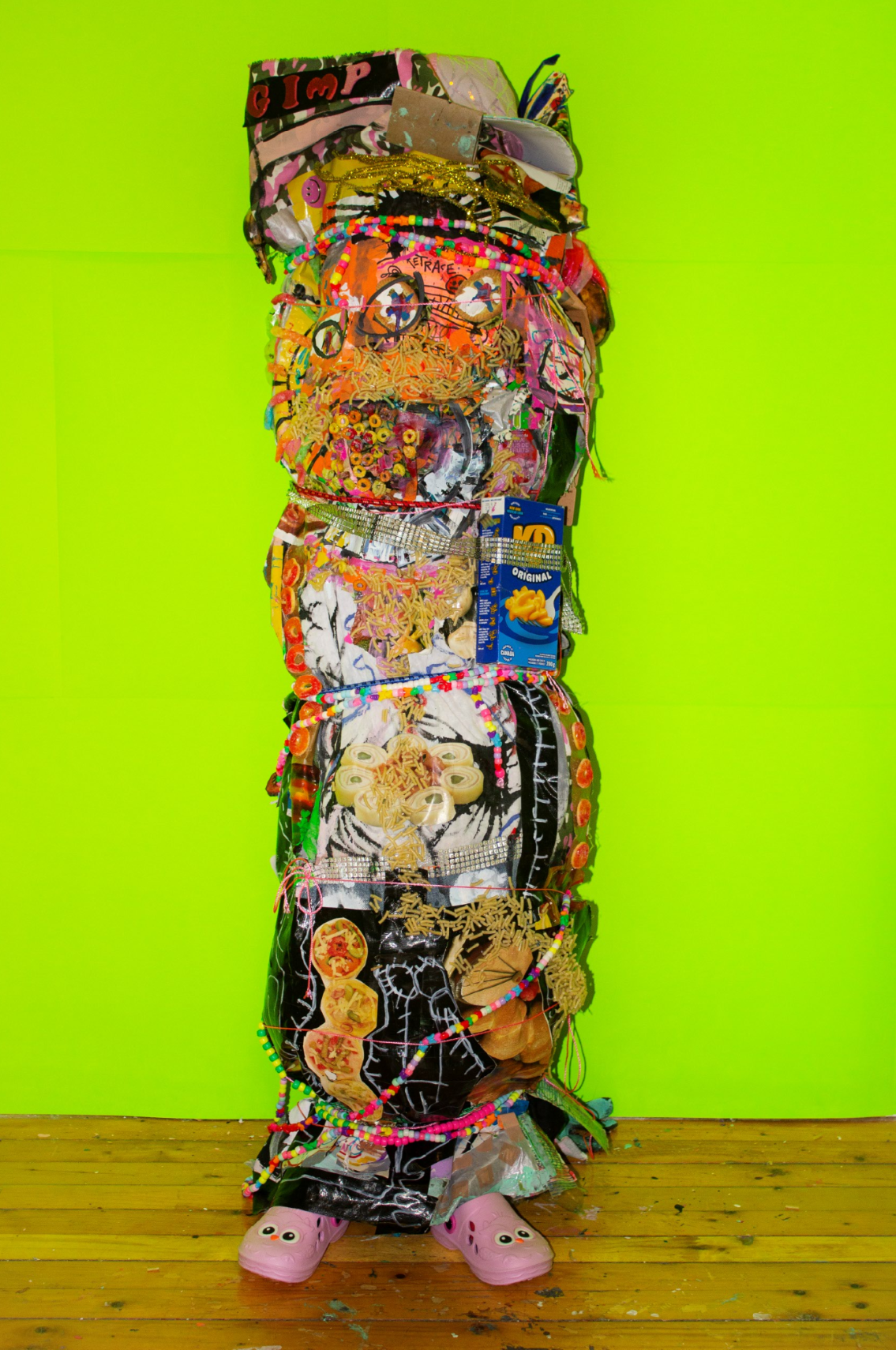
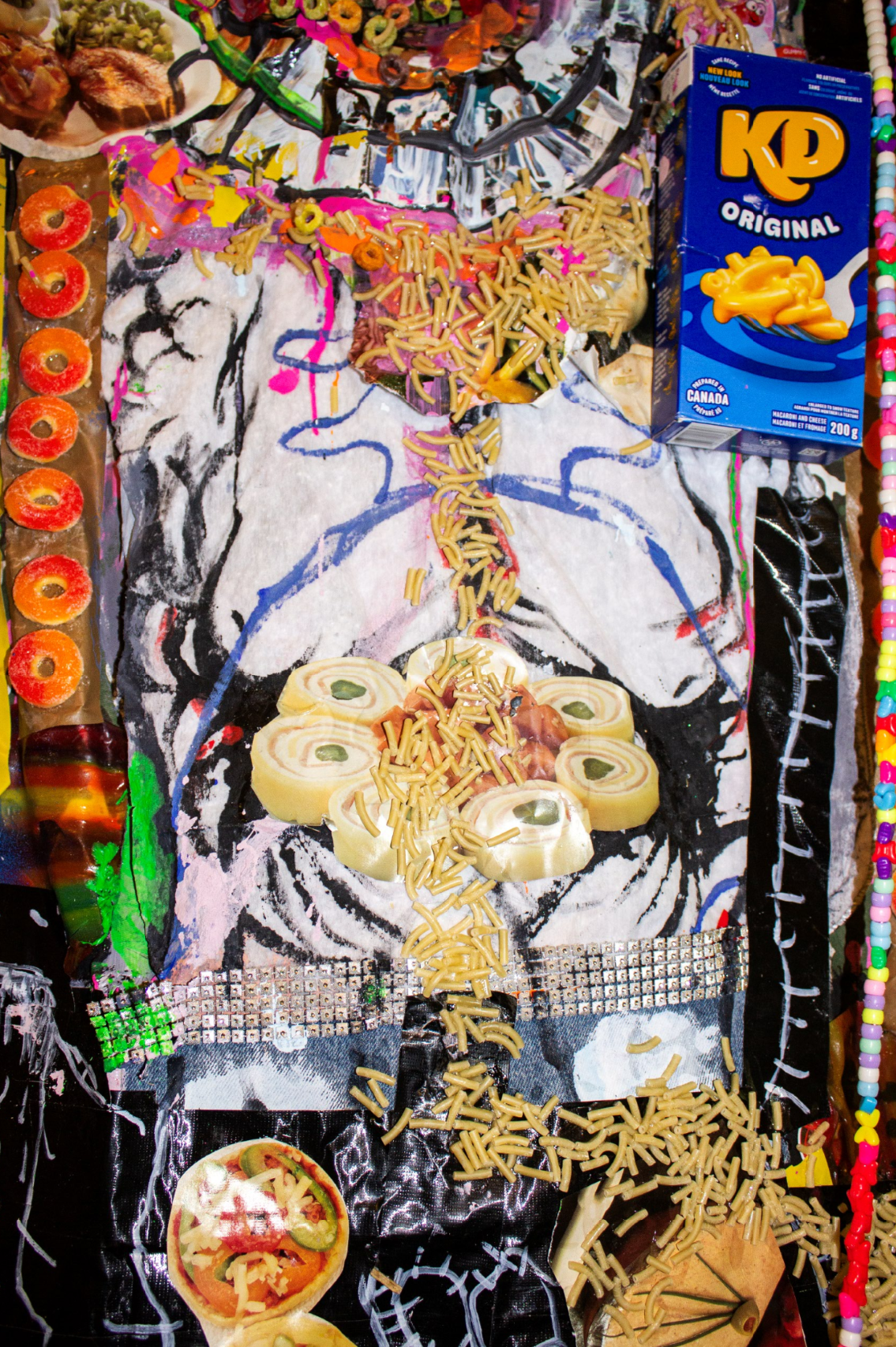
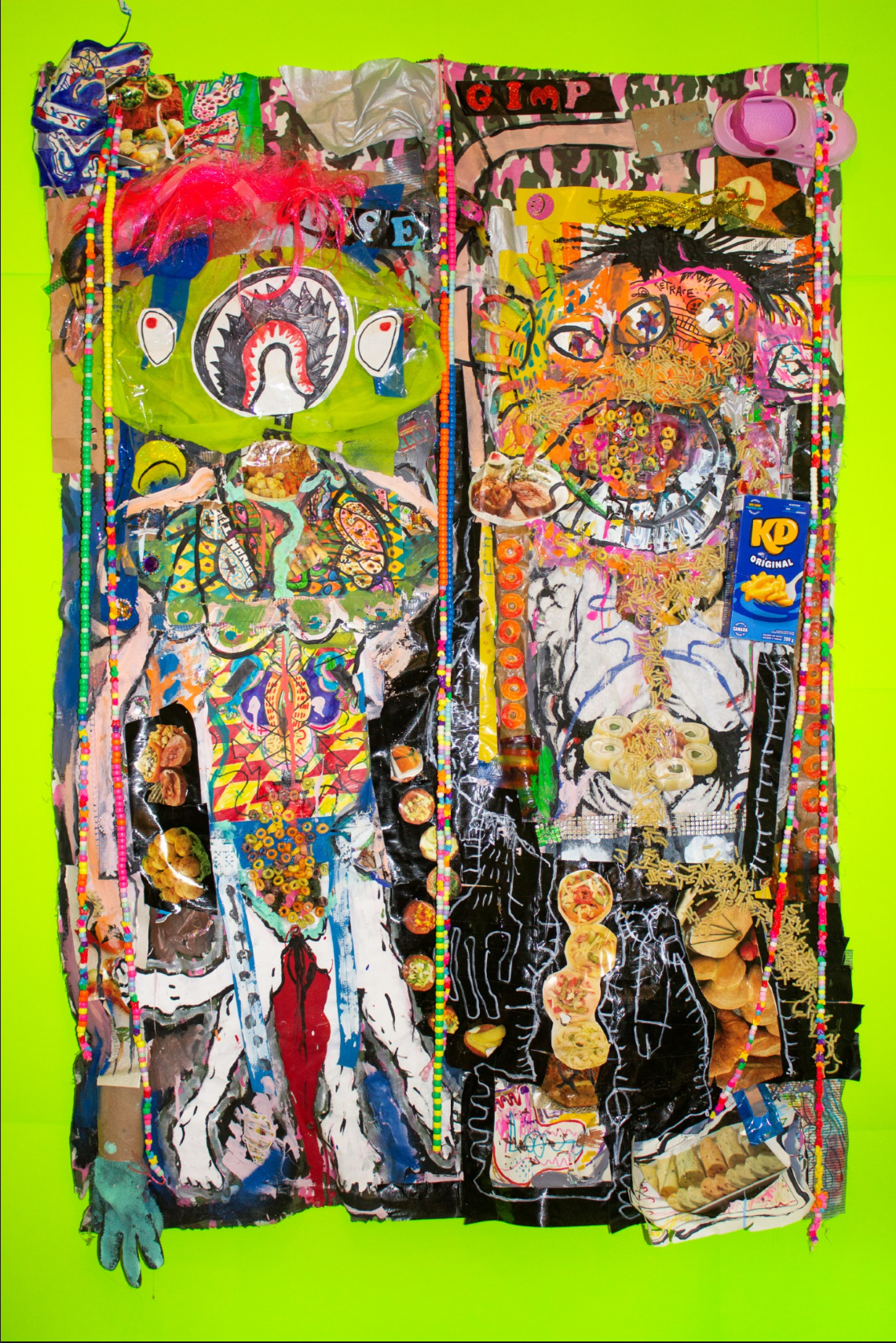
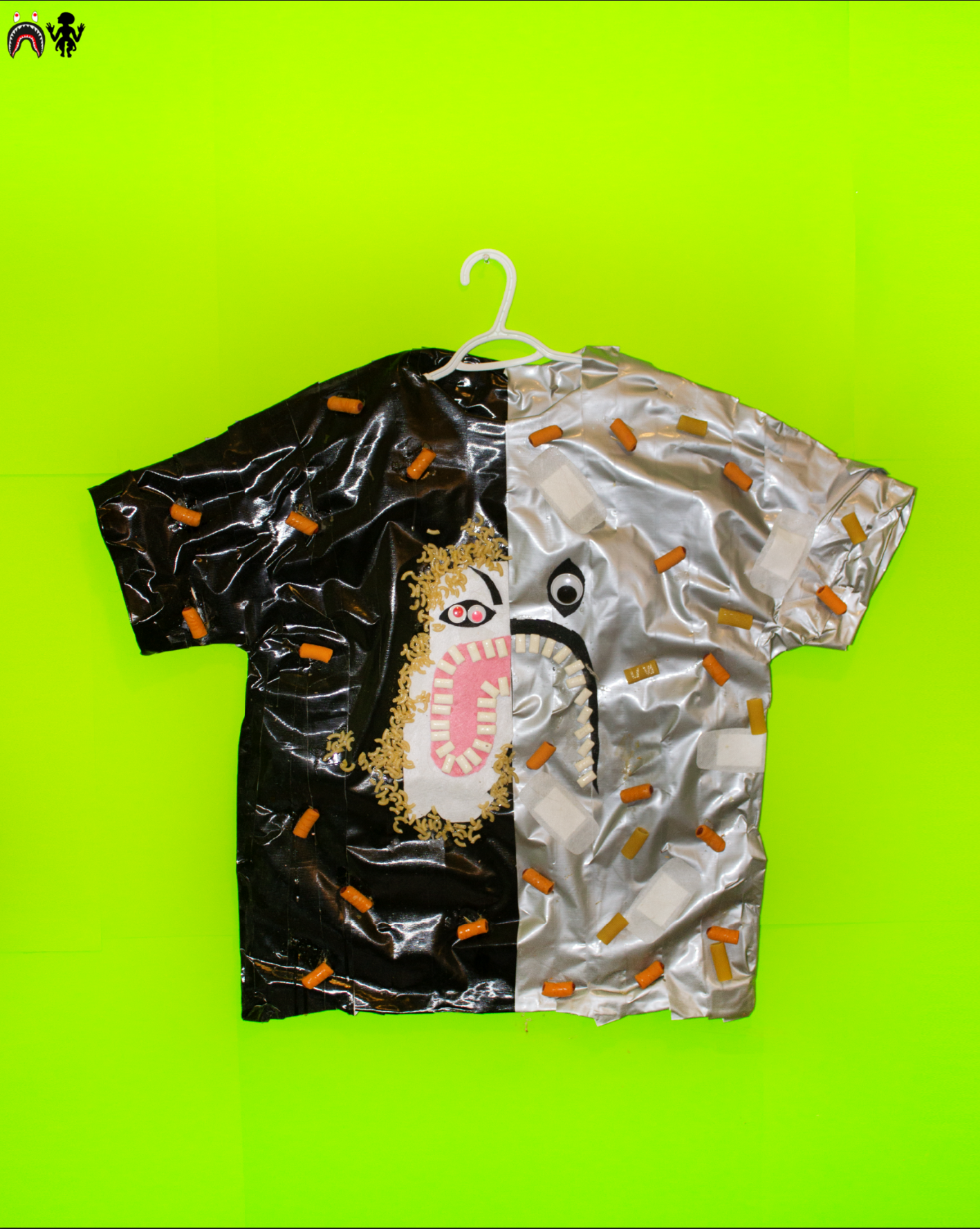
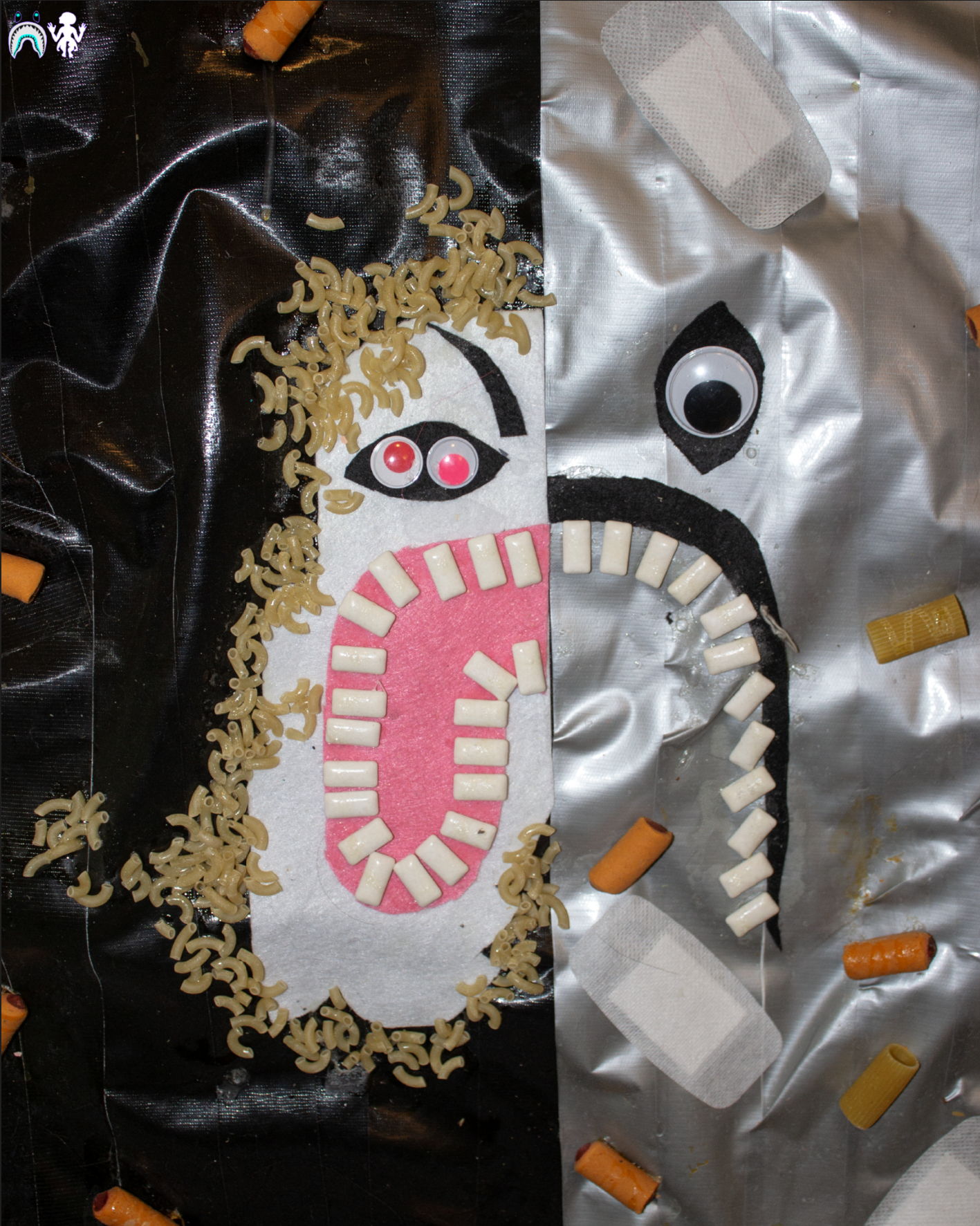
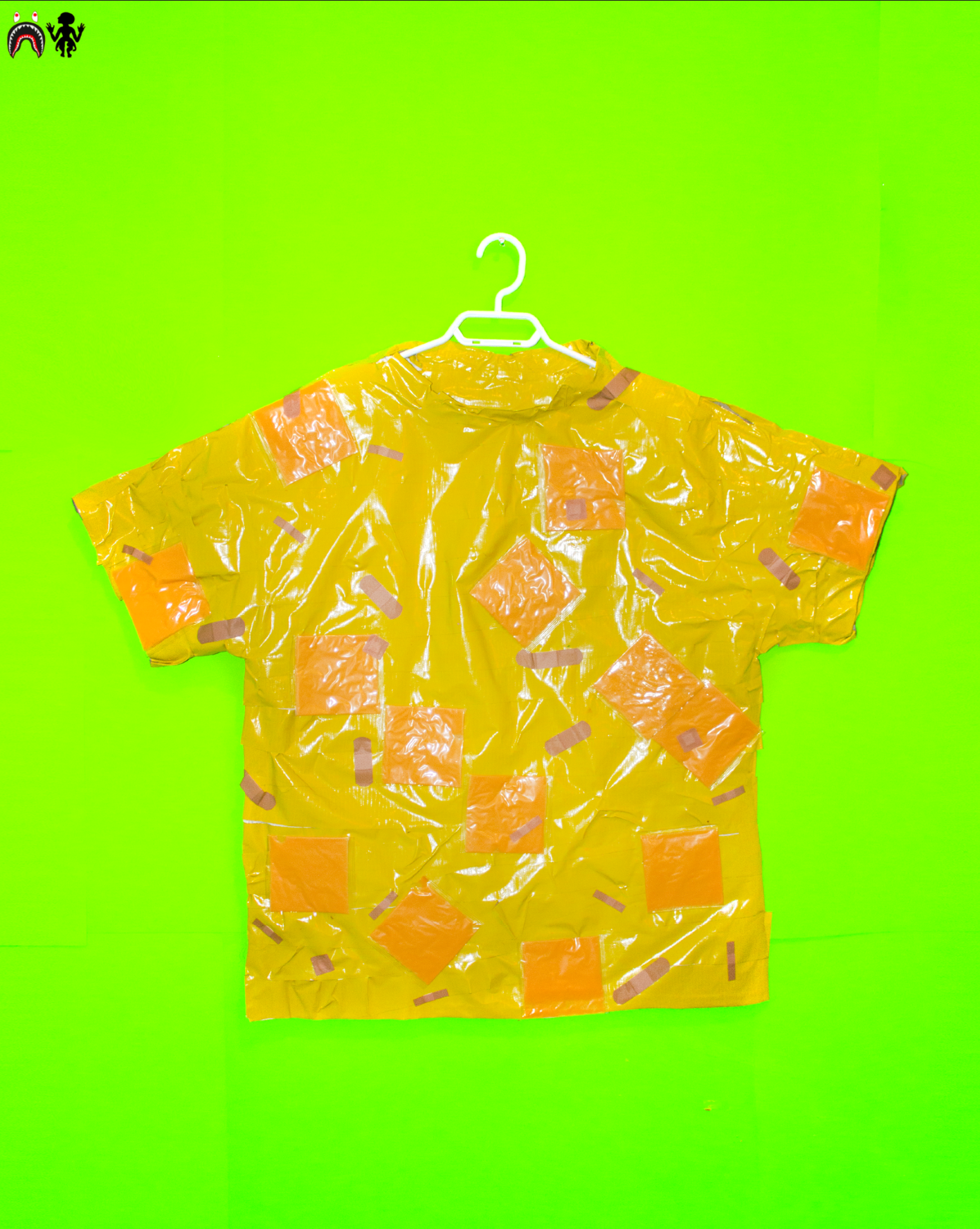
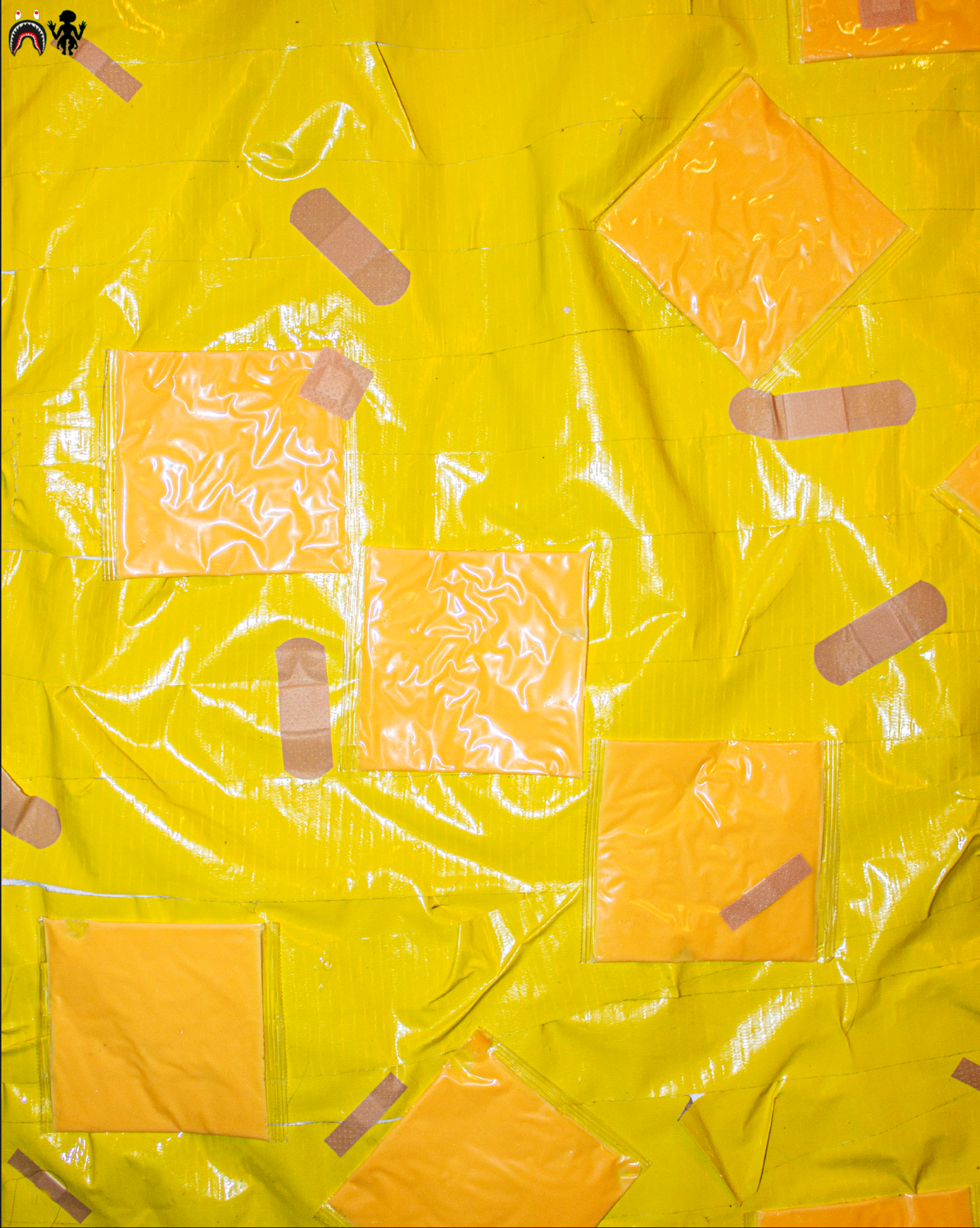
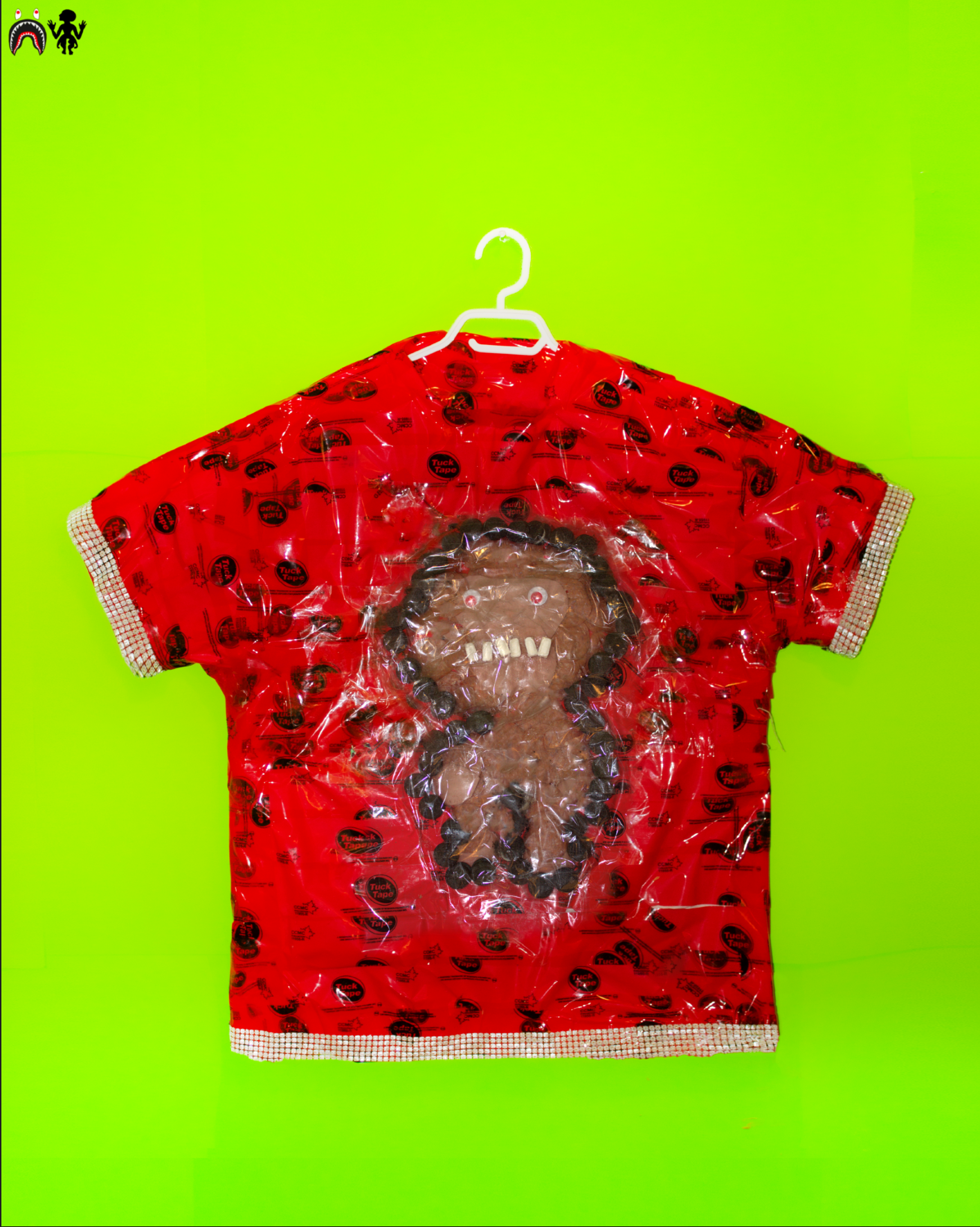
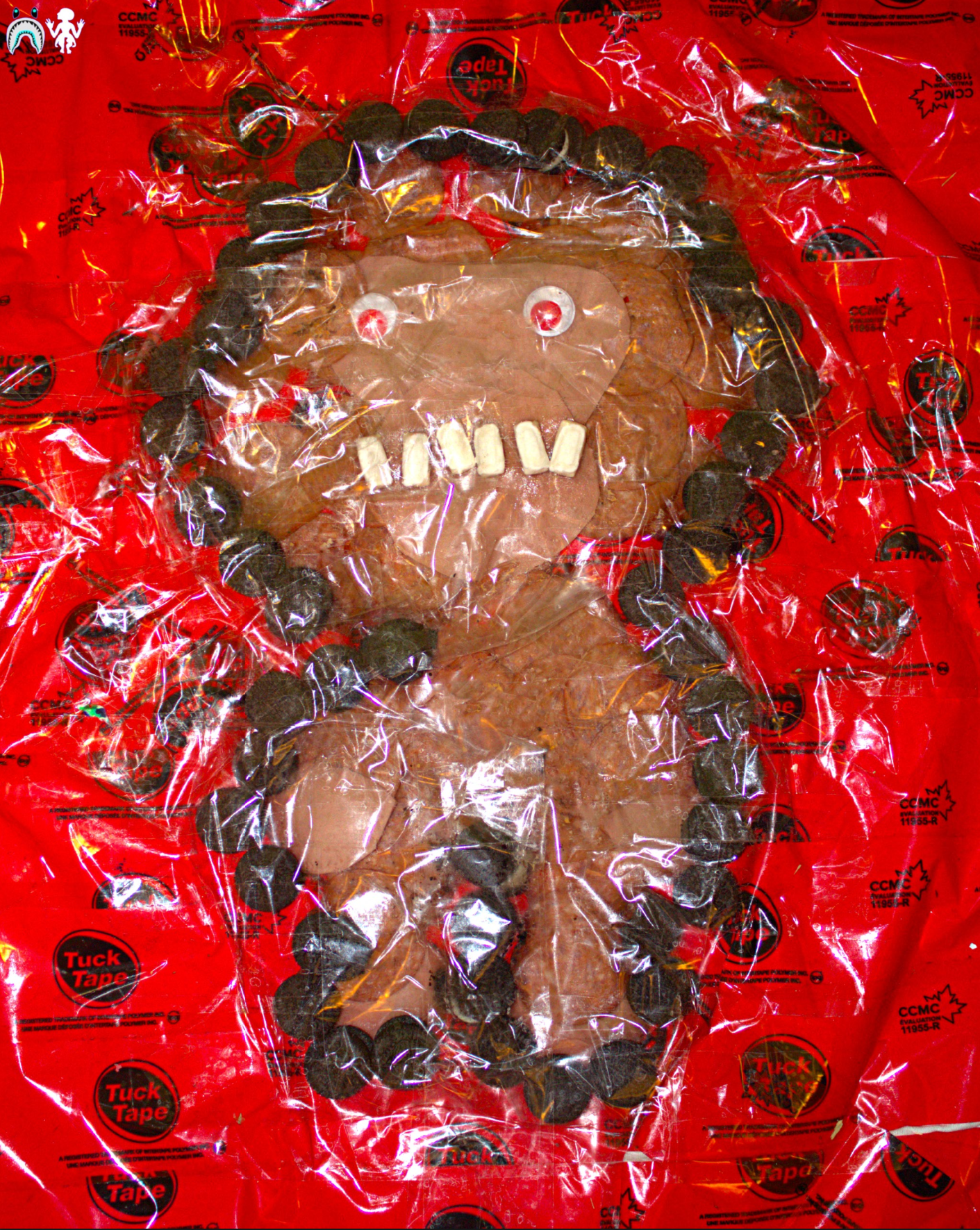
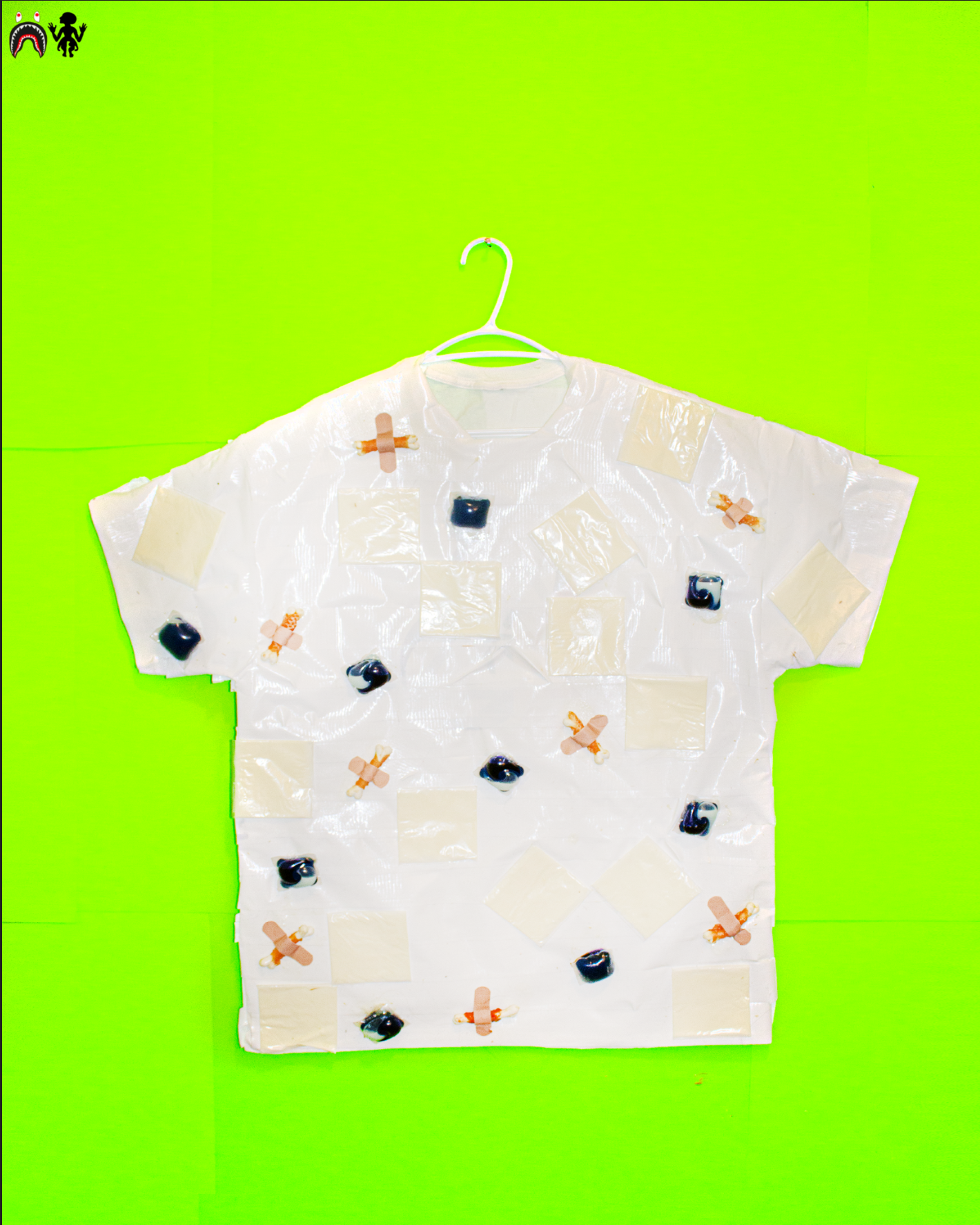
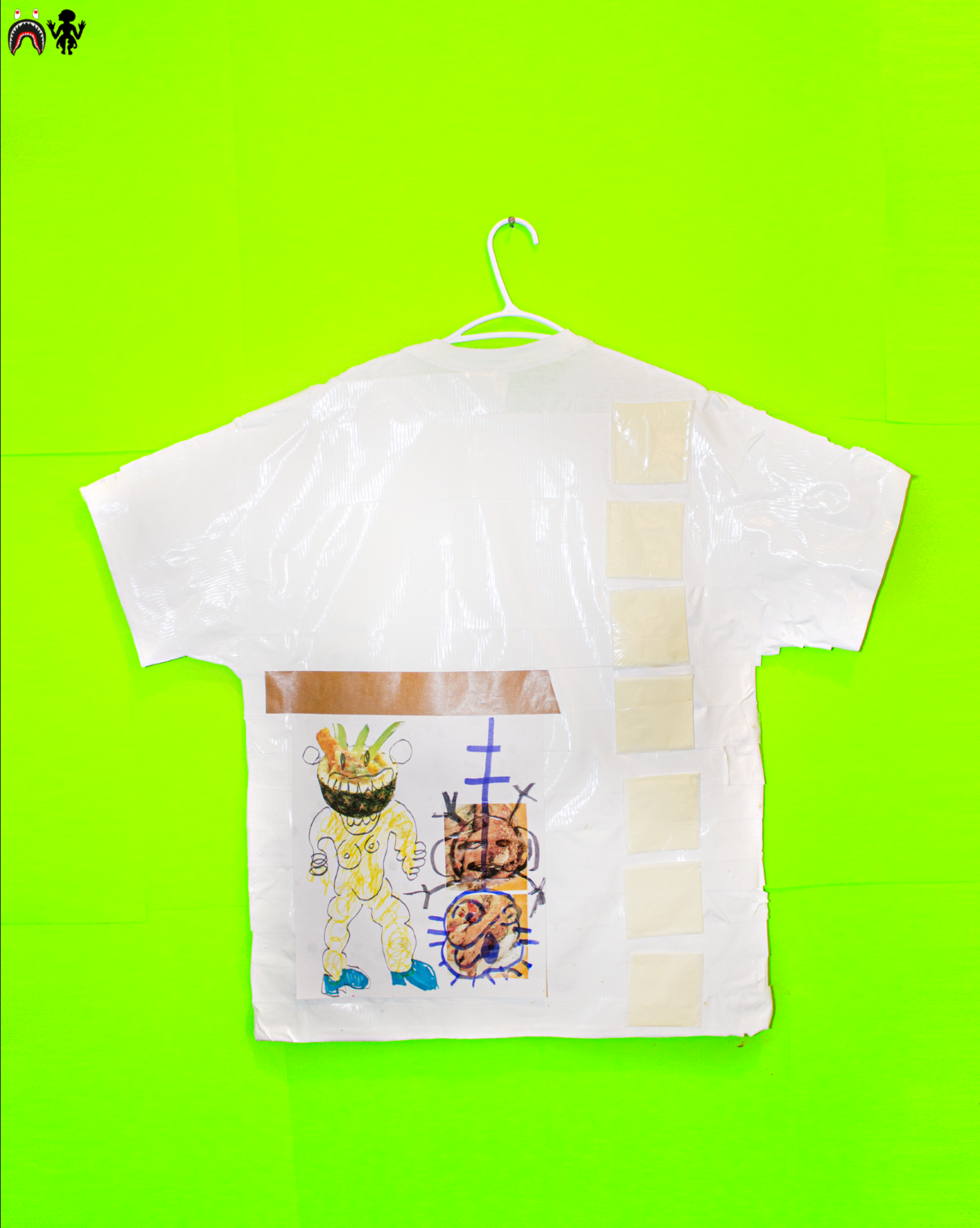
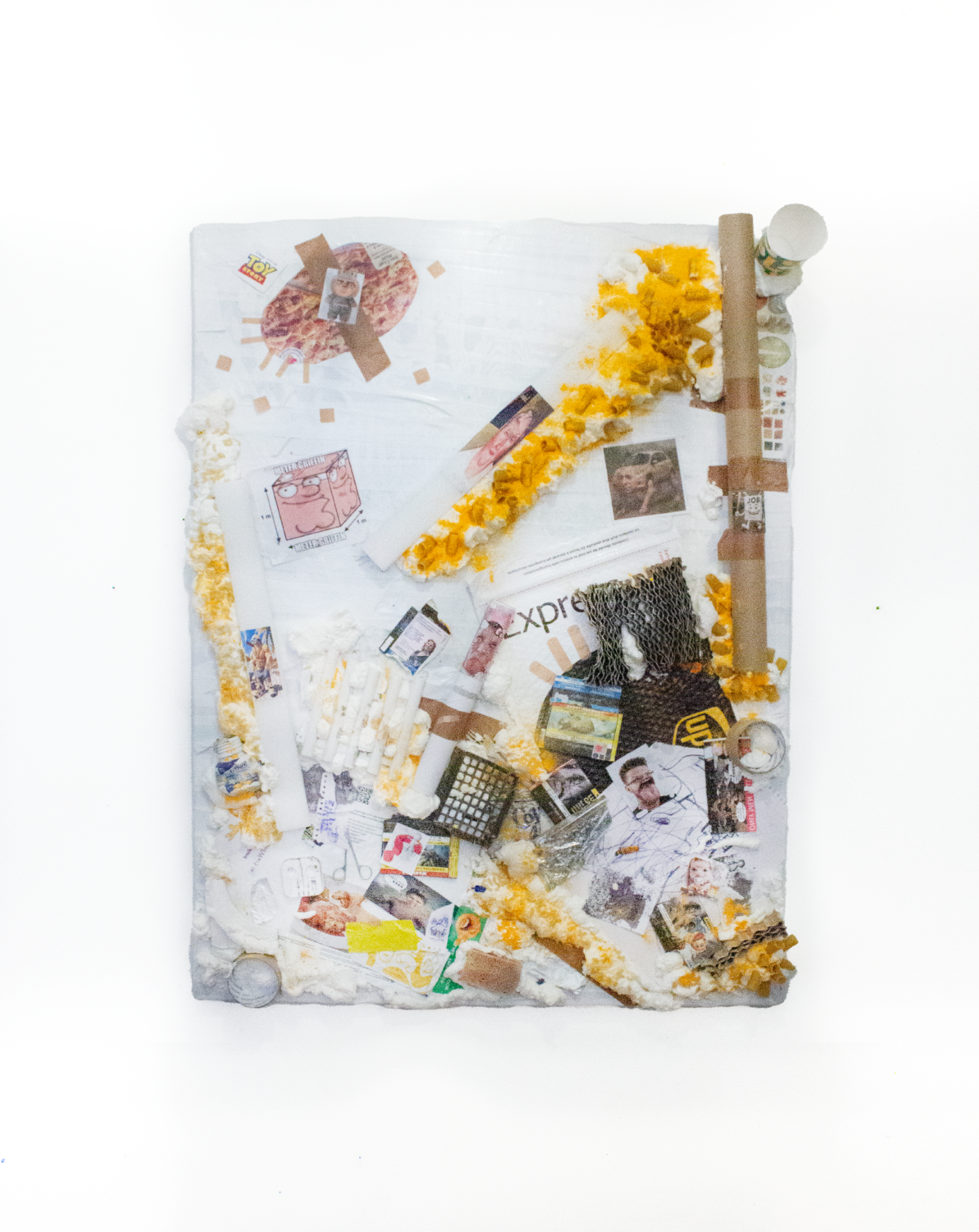
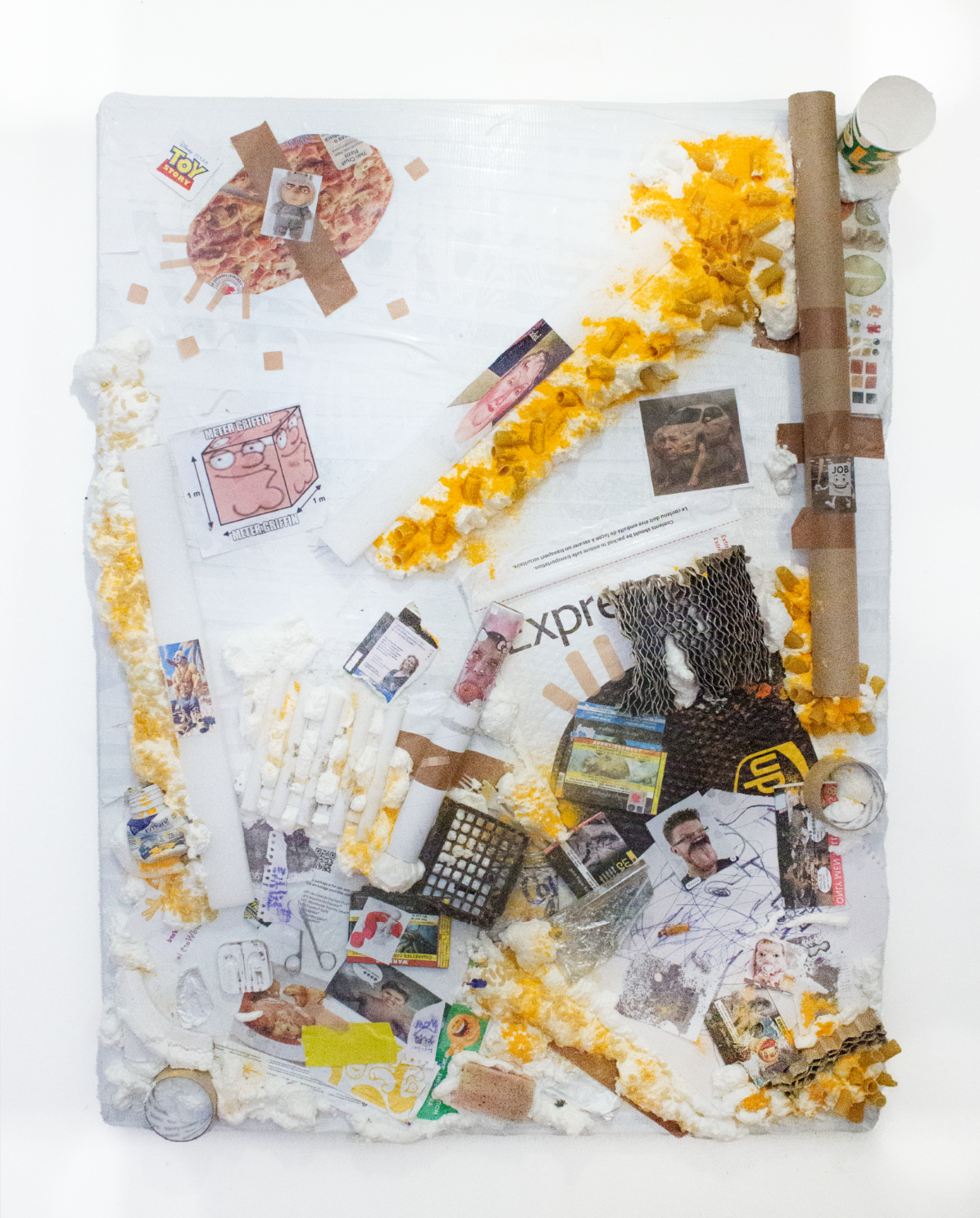
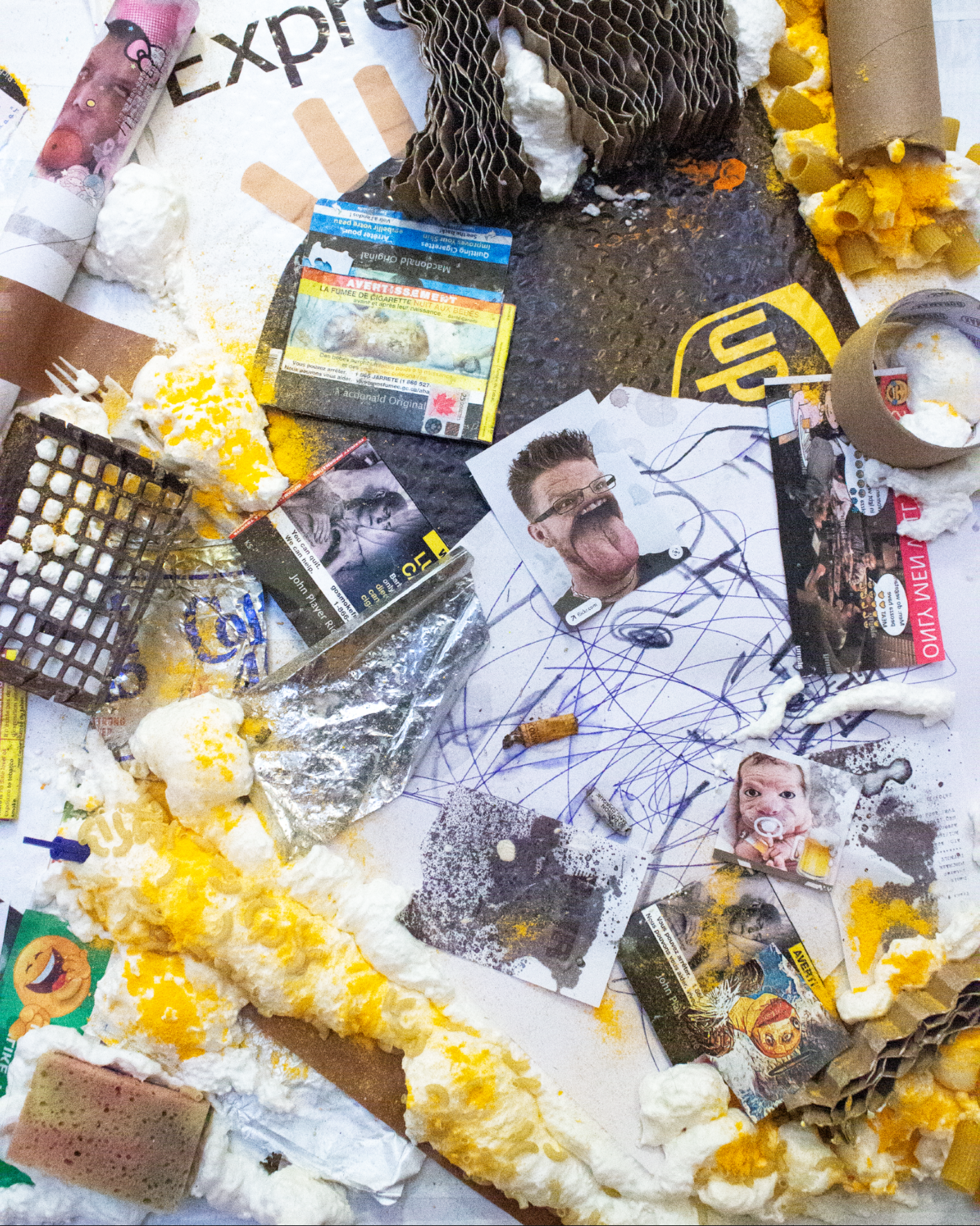
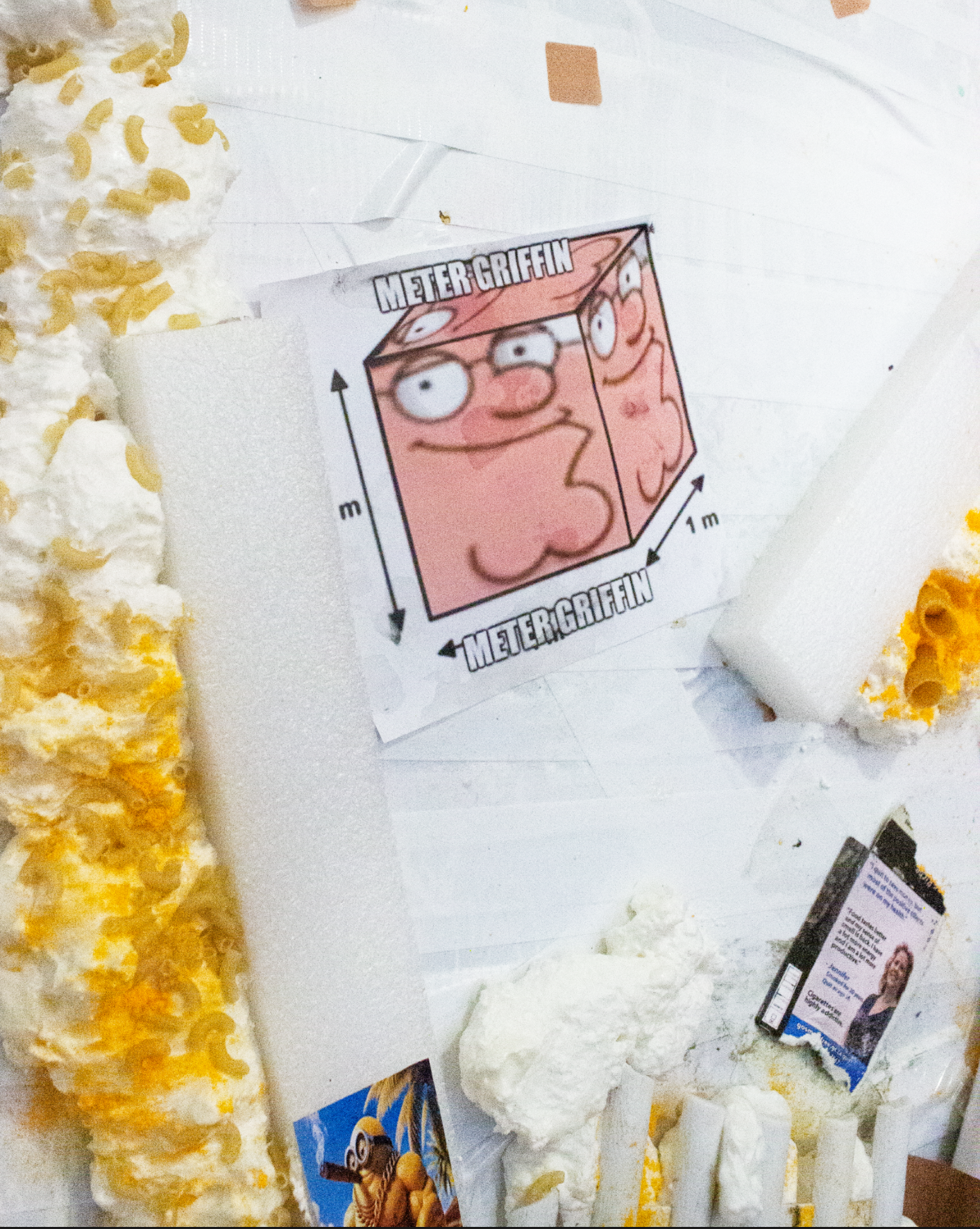
Retournement inverts the Situationist strategy of détournement. Rather than hijacking capitalist spectacle for radical purposes, these works appropriate canonized avant-garde gestures and return them as bootleg versions—counterfeits manufactured through neural media and platform aesthetics employing an industrial material vocabulary. Where détournement stole FROM power TO subvert it, retournements reveal that institutional critique has itself become consumable content, subject to the same IP theft, algorithmic reproduction, and material degradation as any mass-produced commodity or image. The digital abject—the formless overload of endless scroll, visual spam, algorithmic recommendation, and platform abundance—functions here as both method and content. It is abjection not as in boundary collapse but as consumer disappointment: the package arrives and it's not what you anticipated, broken, fake. You click "return." This is the great Ontological Scam innovated by the 20th century avant garde and retourned by companies like Temu and Alibaba. If the Corporation is a legal person, then that individual is a Surrealist! The works below perform formal IP theft from recent art history, sampling recognizable sculptural gestures (Steinbach's shelves, Genzken's tape, Kelley's blankets, Hirst's vitrines, Nitsch's blood rituals) and reproducing them using digital printing, Temu objects, 3D printed components, and the visual language of e-commerce interfaces. Radical gestures are returned to the art world as defective products. The result is a series of abject knockoffs that expose how avant garde forms circulate as brand-recognizable content in a digital ecosystem where everything—violence, liberation, critique, desire—can be pirated, downgraded, repackaged, and returned for a refund when it fails to deliver the promised transformation.