SLUG METAL; Or A Proposal For A Post-Slop Home Decor
Dec 5 2025 - Jan 9 2026
@ Apartment 13, Providence RI, United States
Curated By Josh Boulos
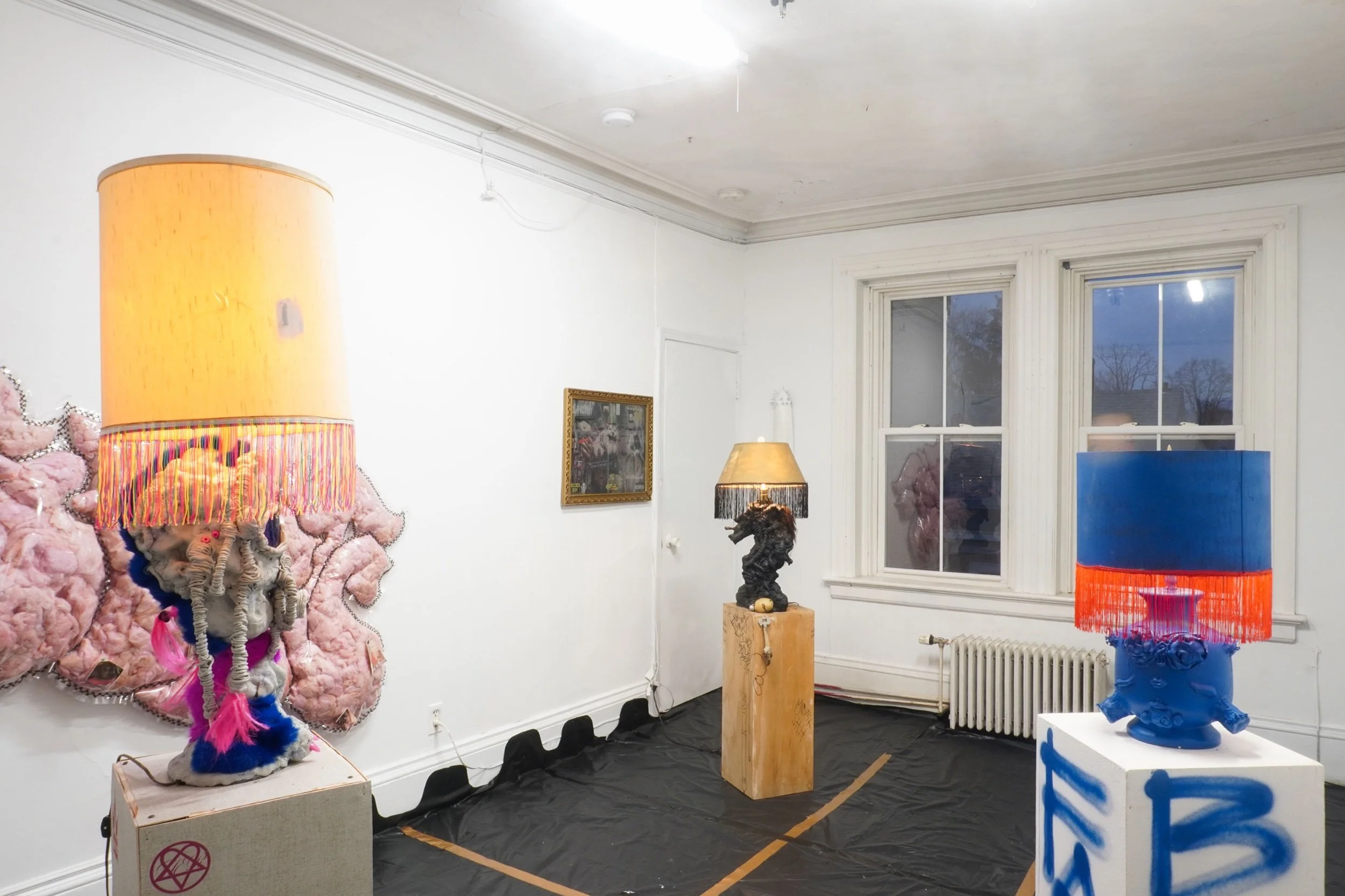
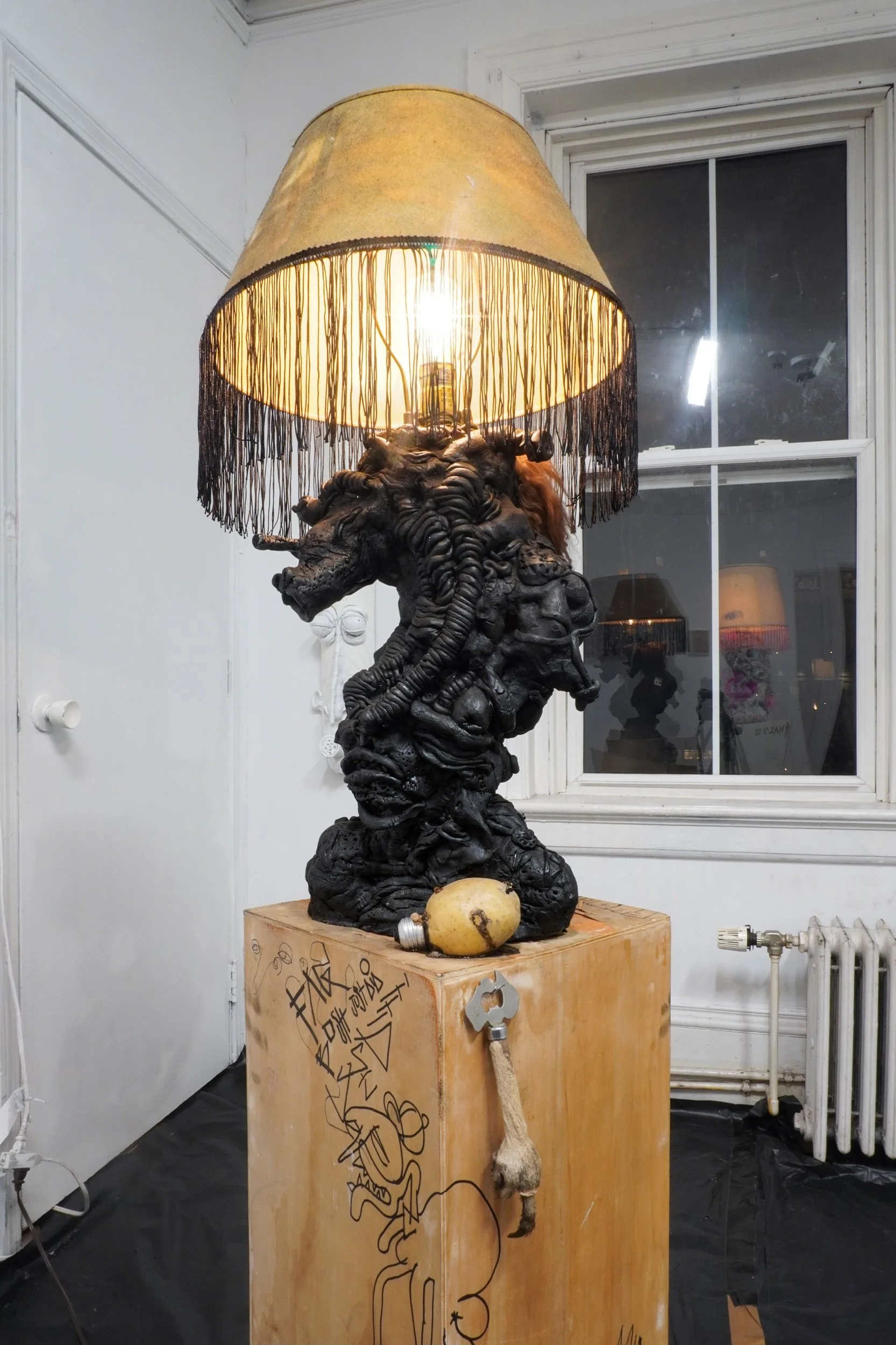
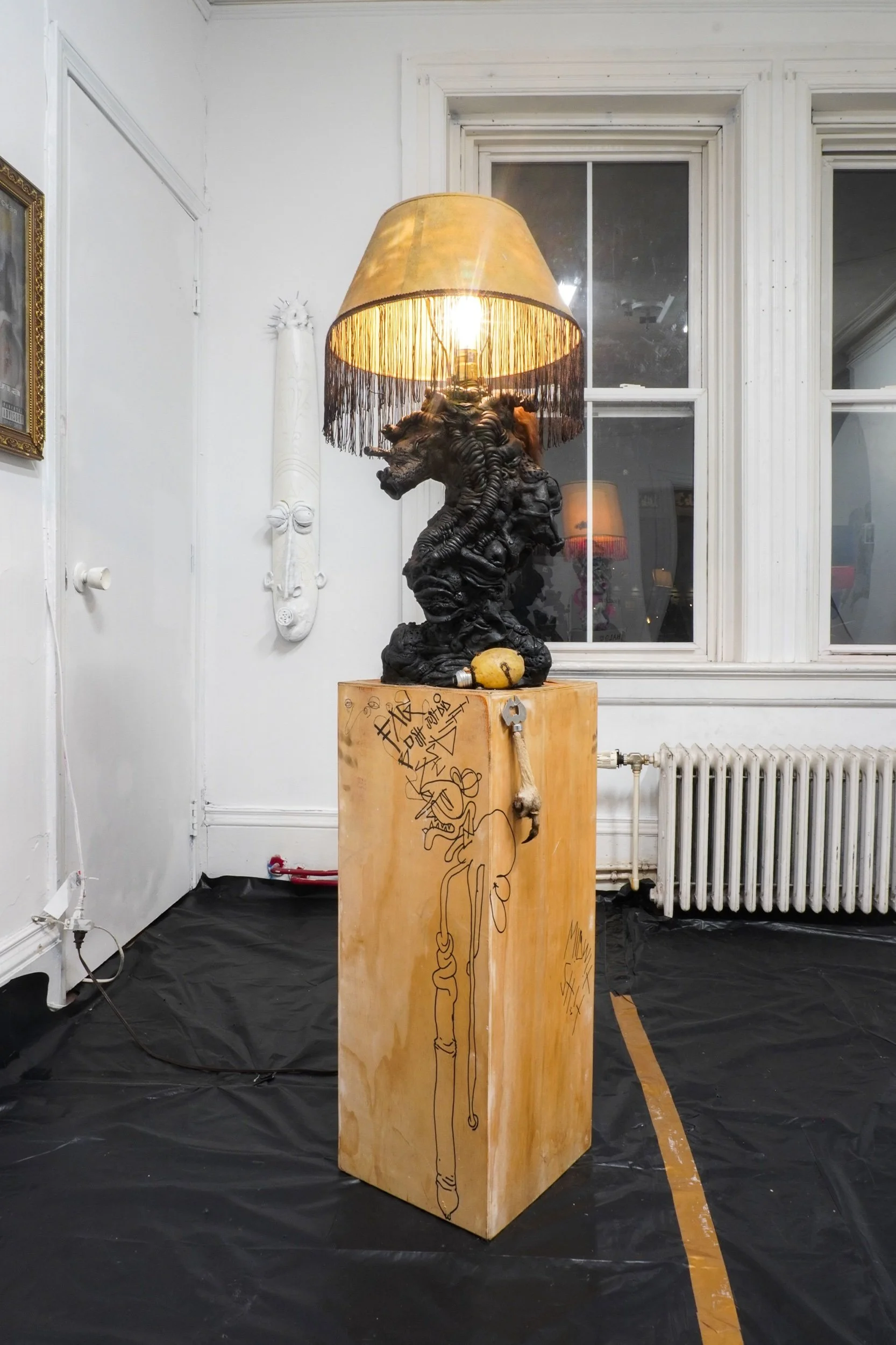
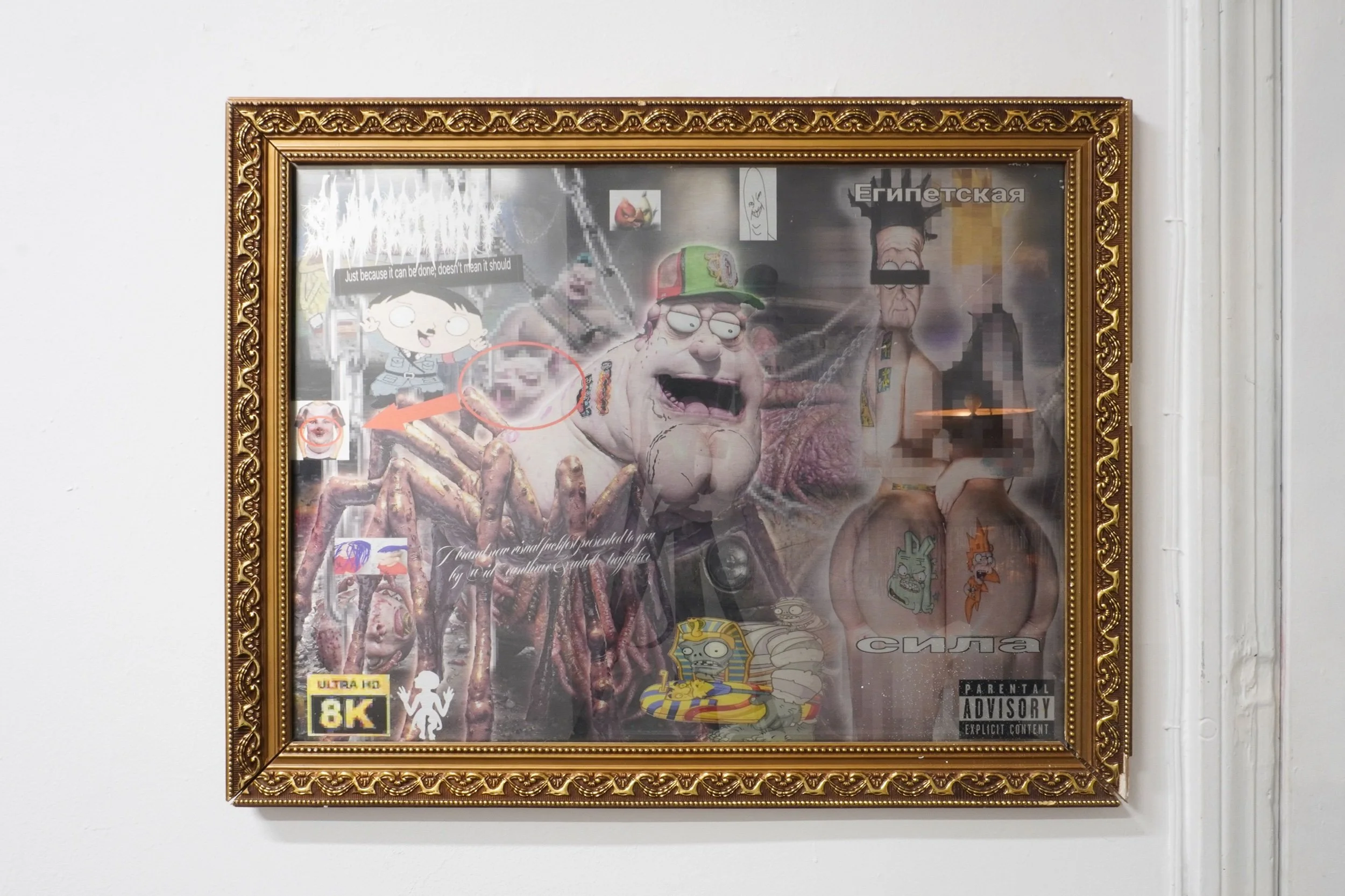
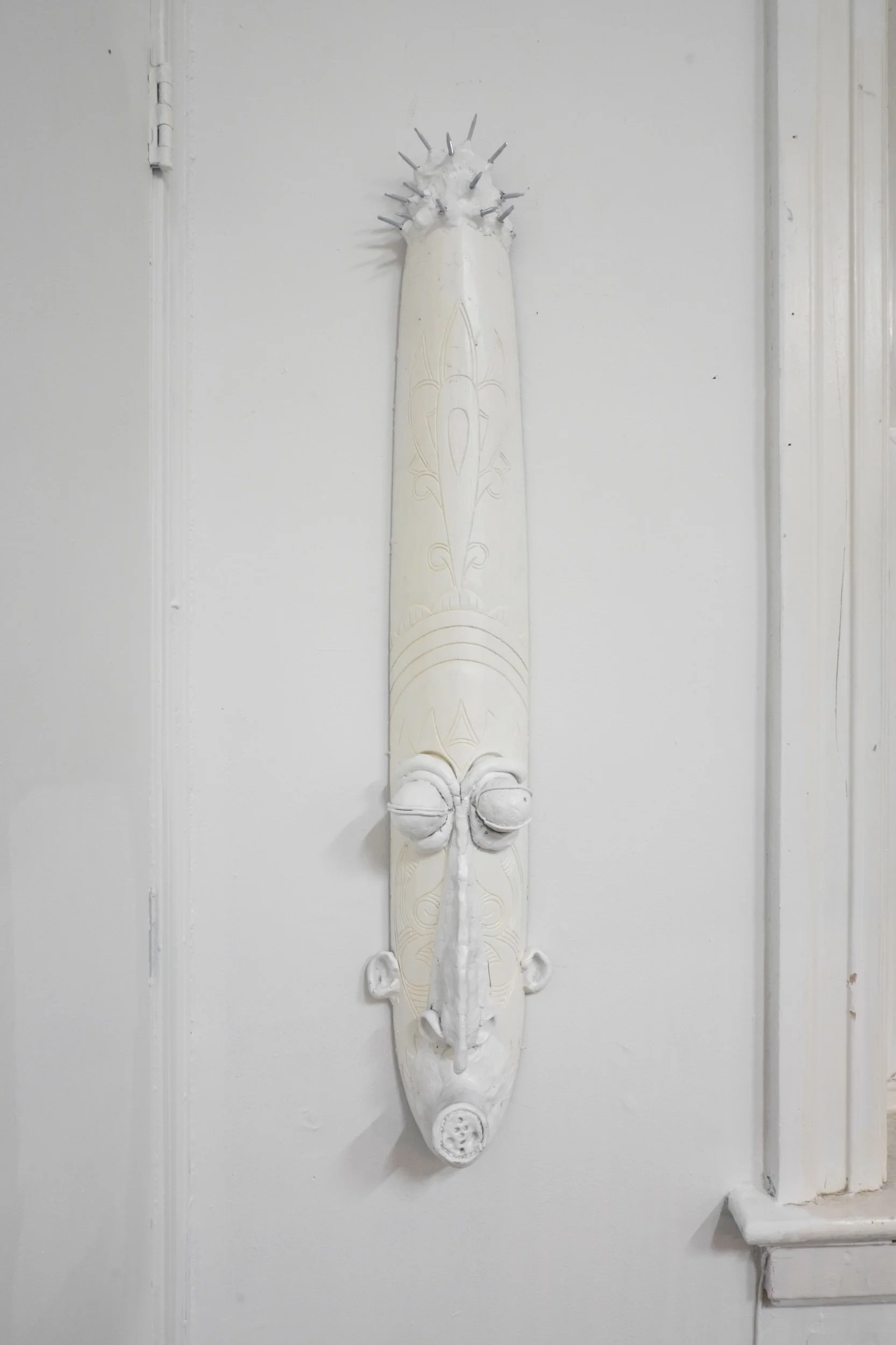
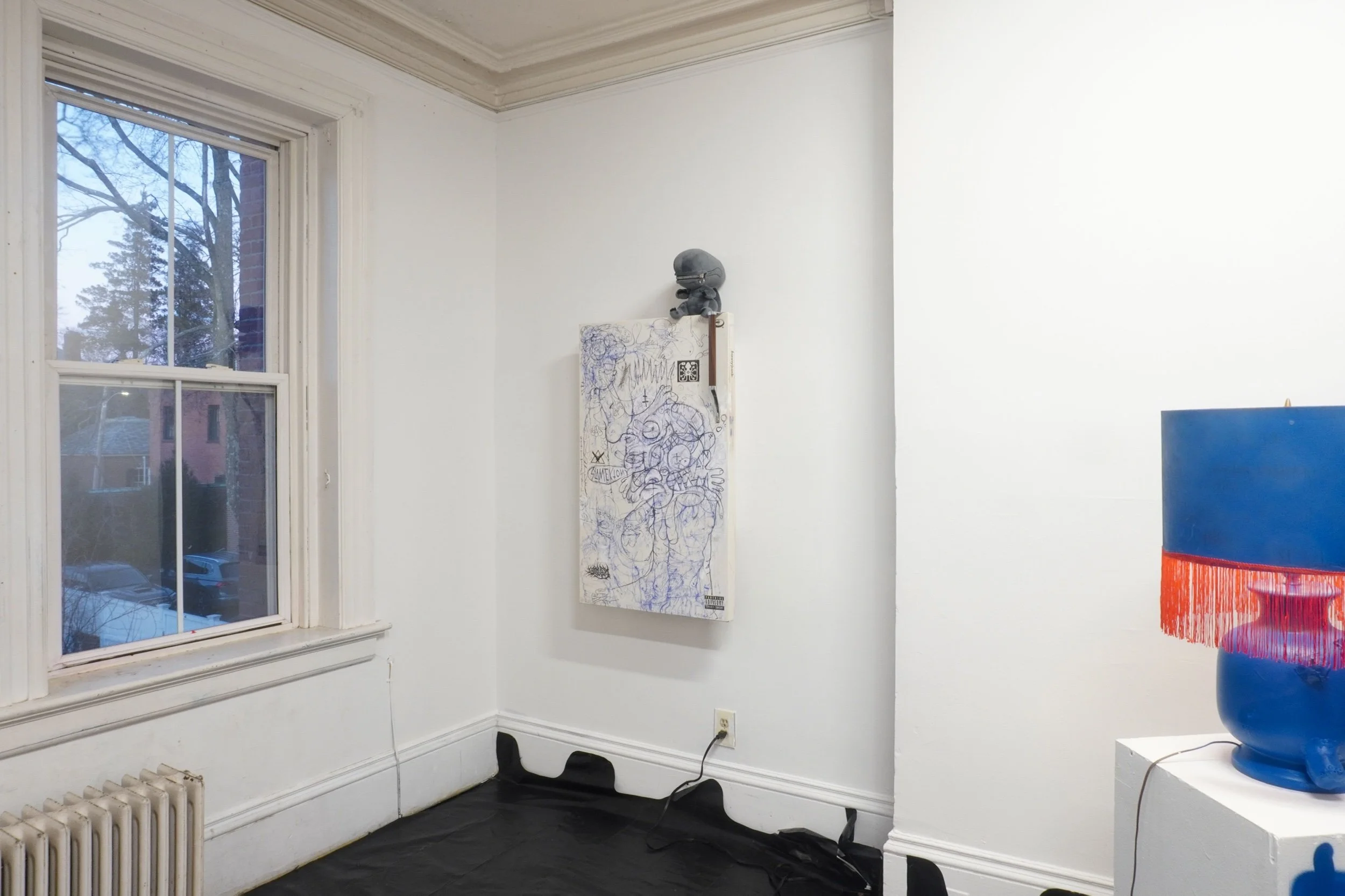
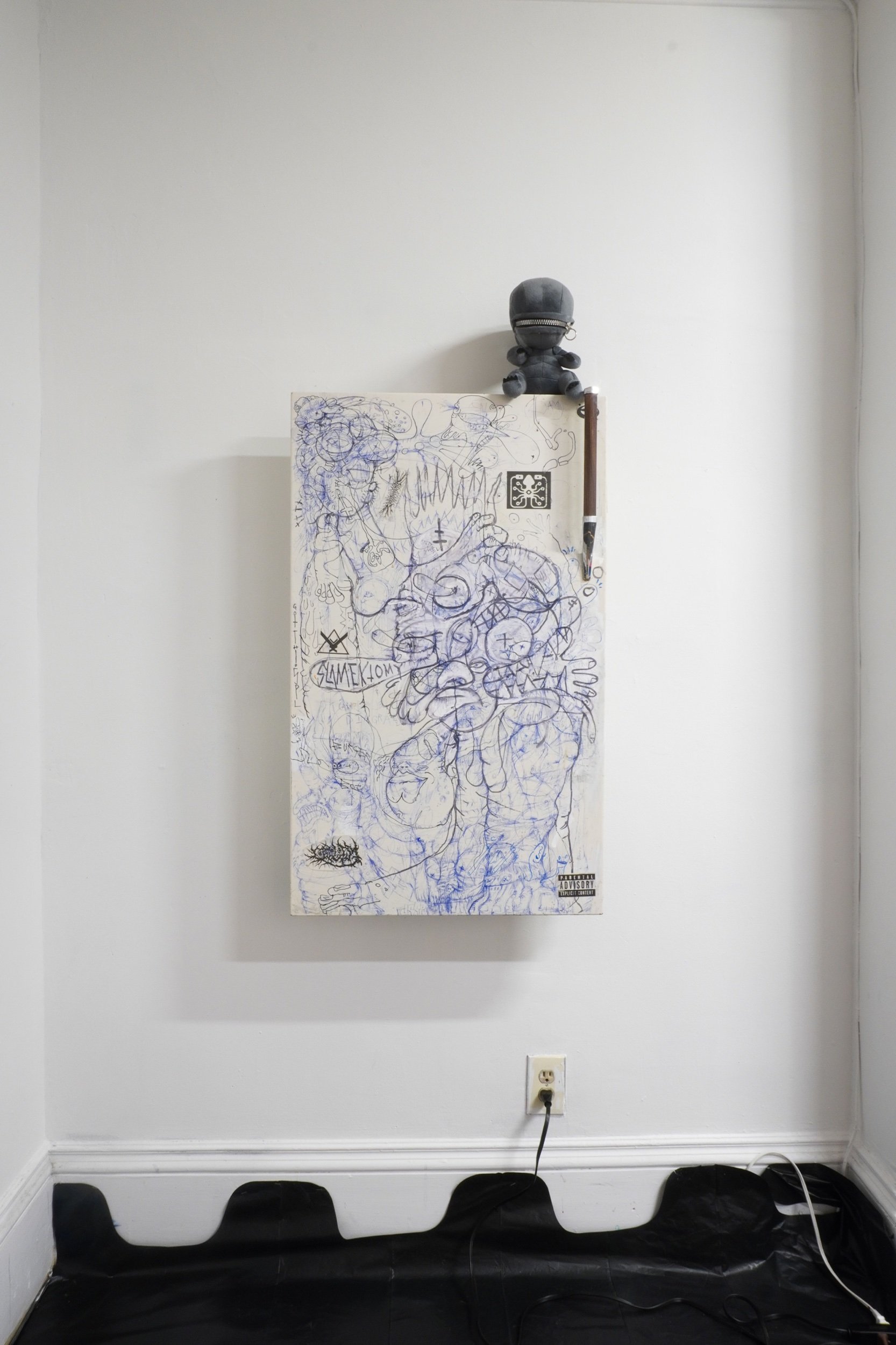
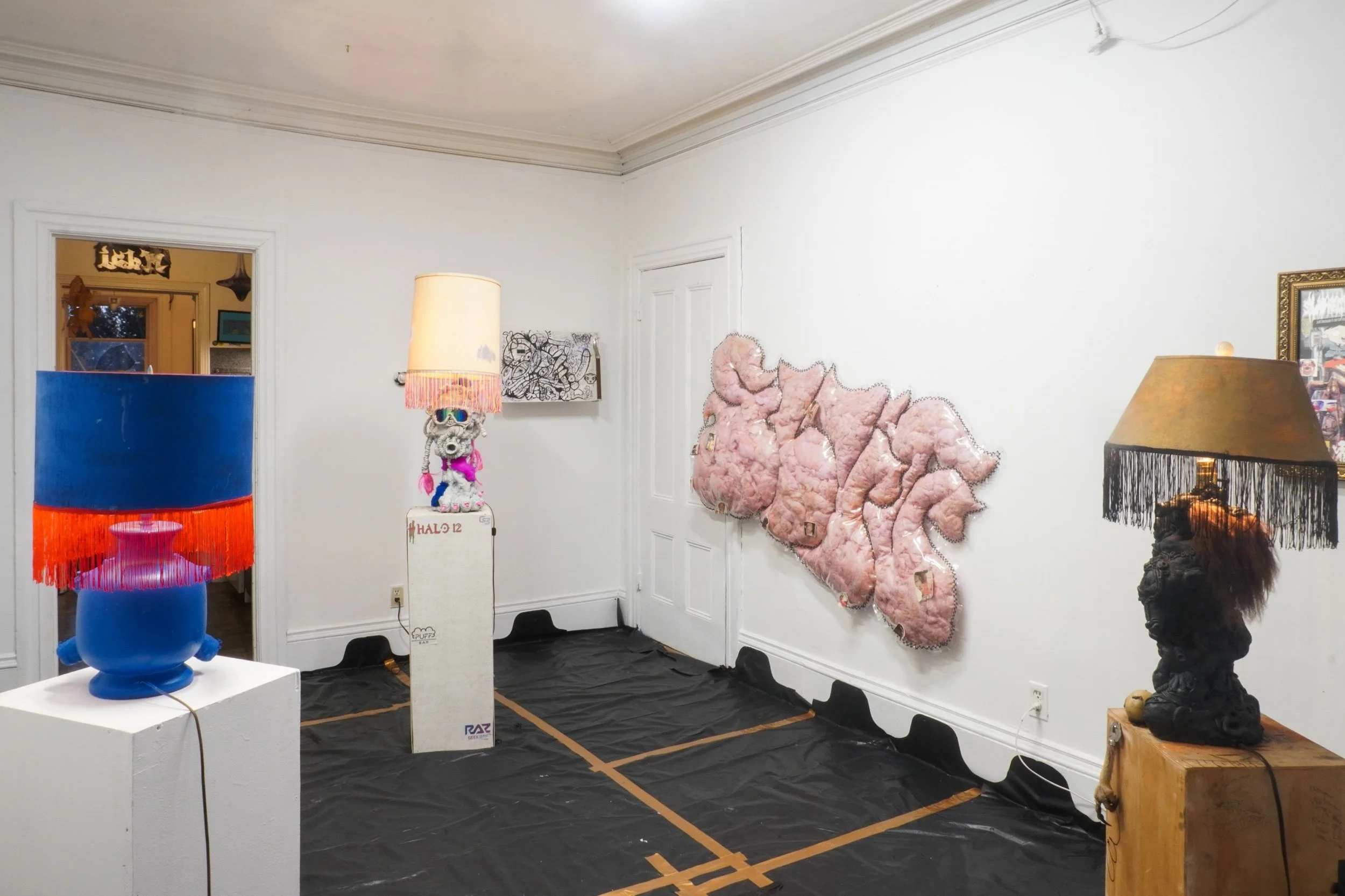
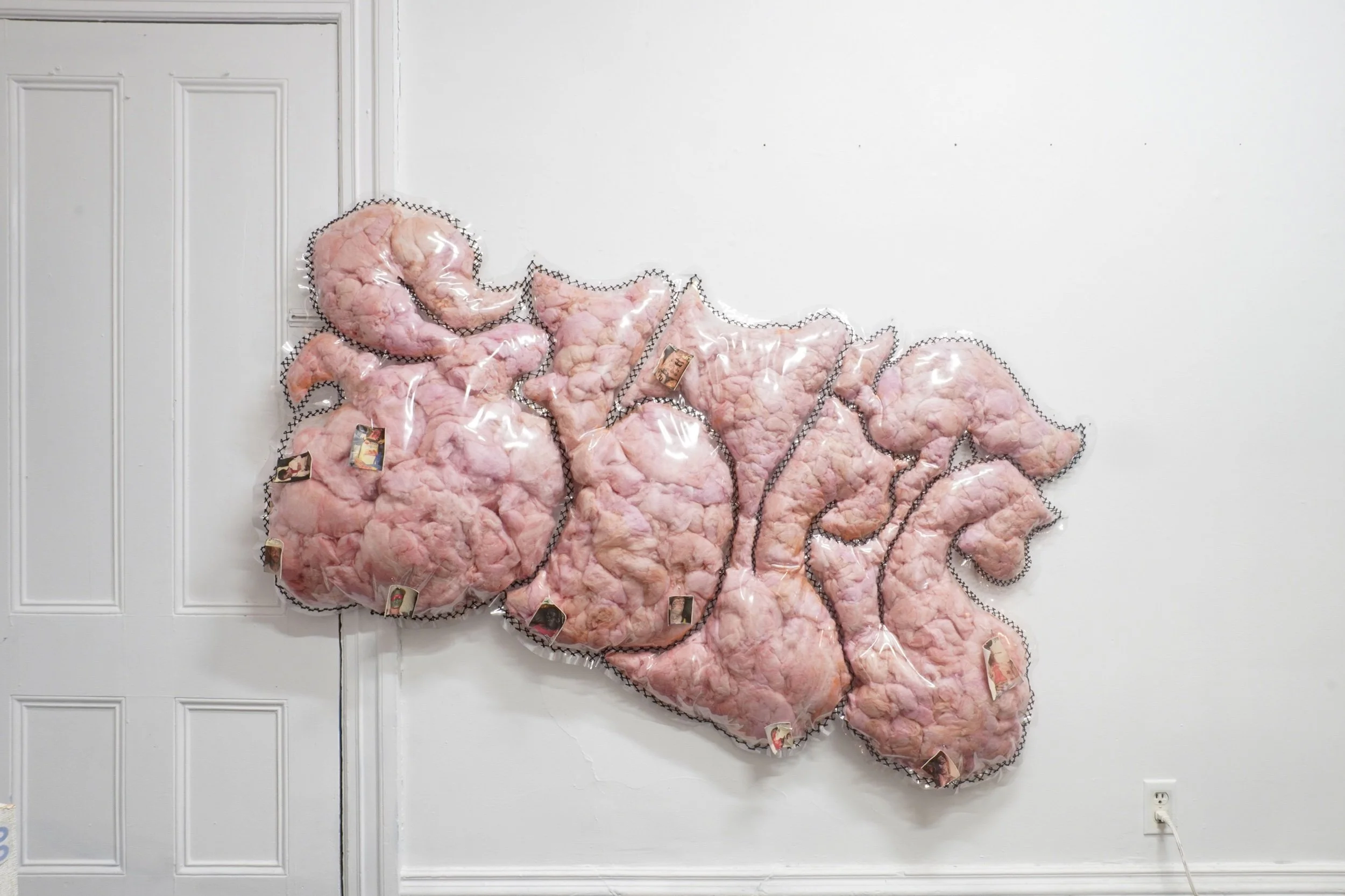
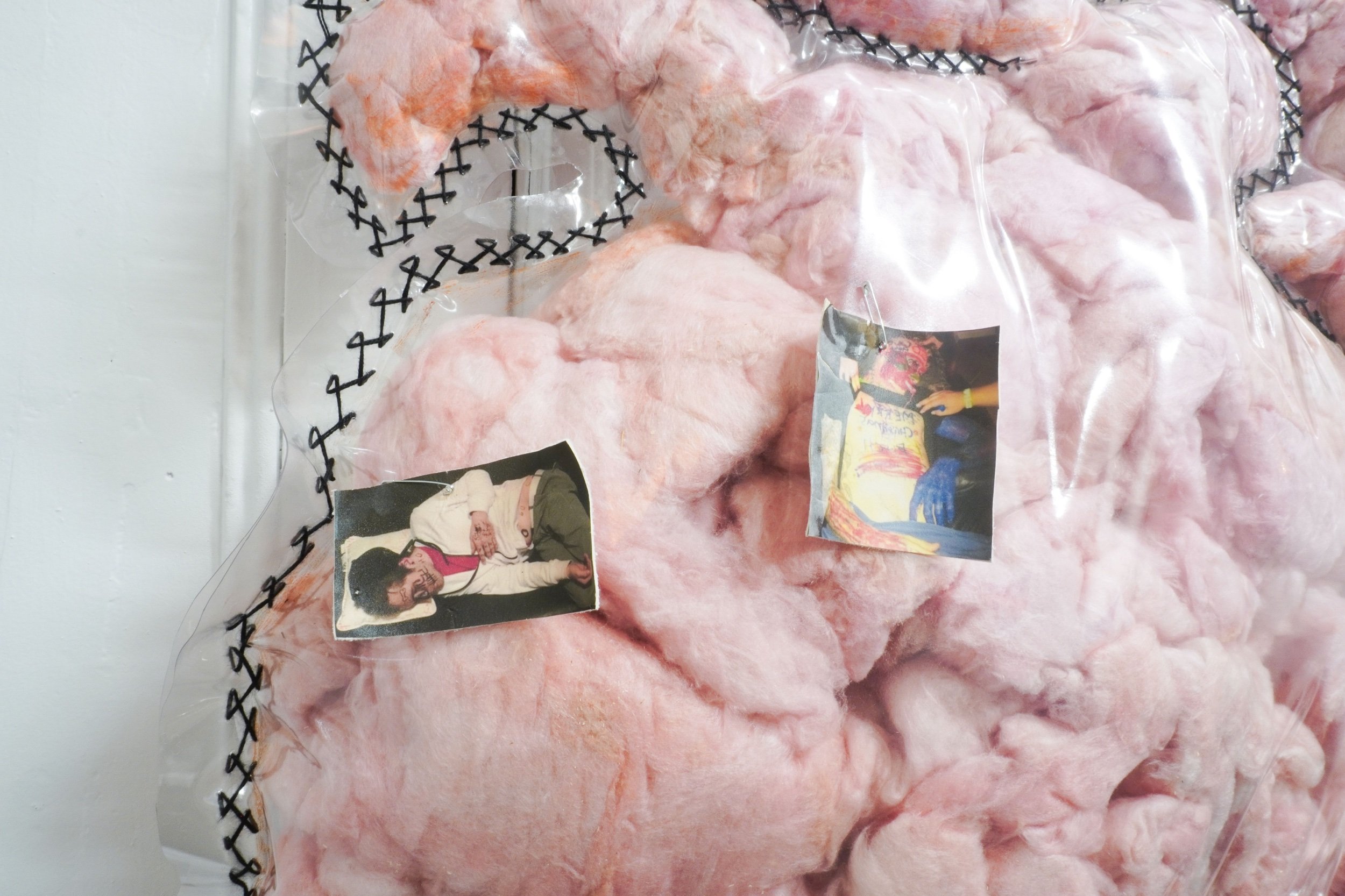
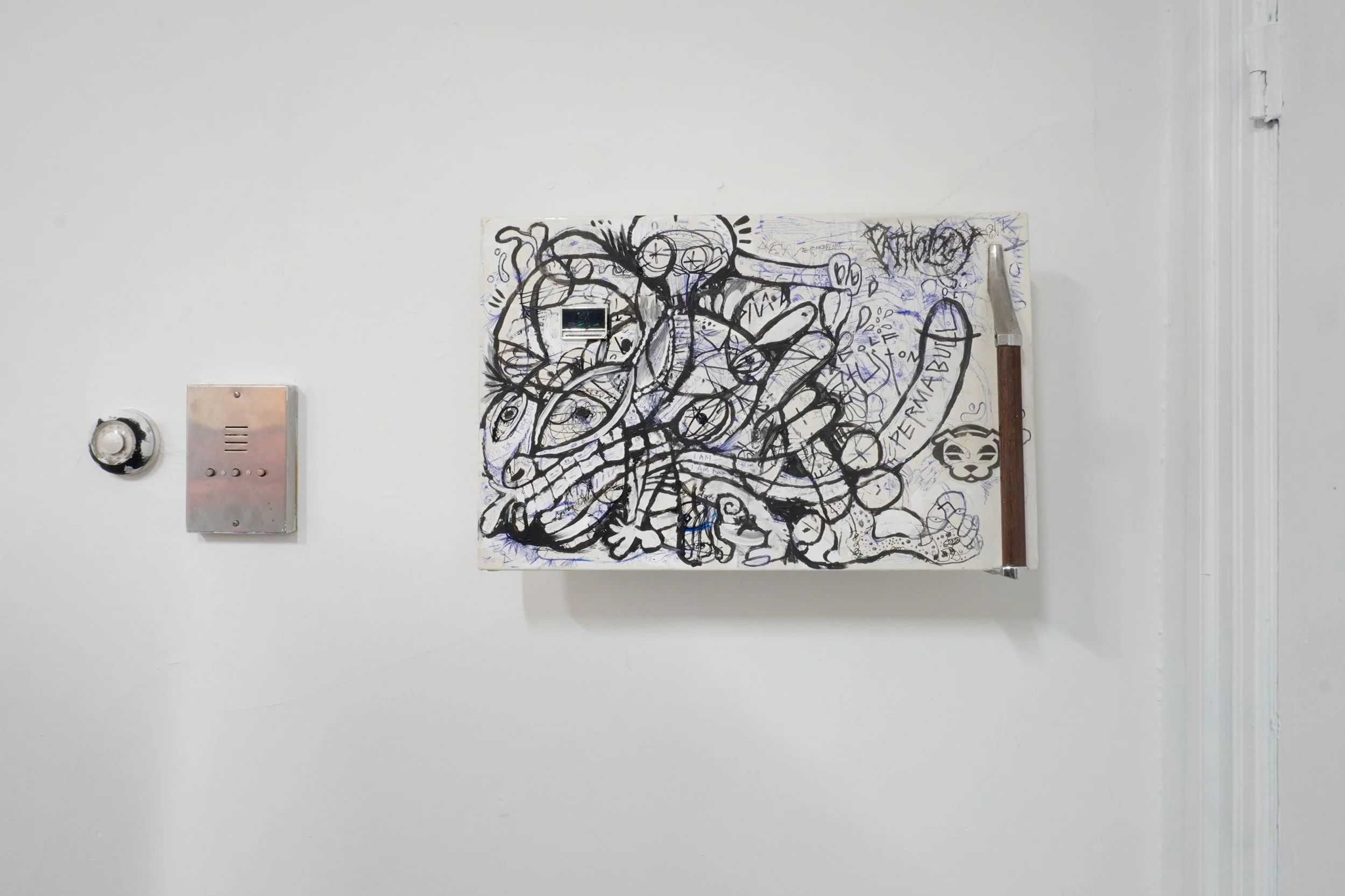
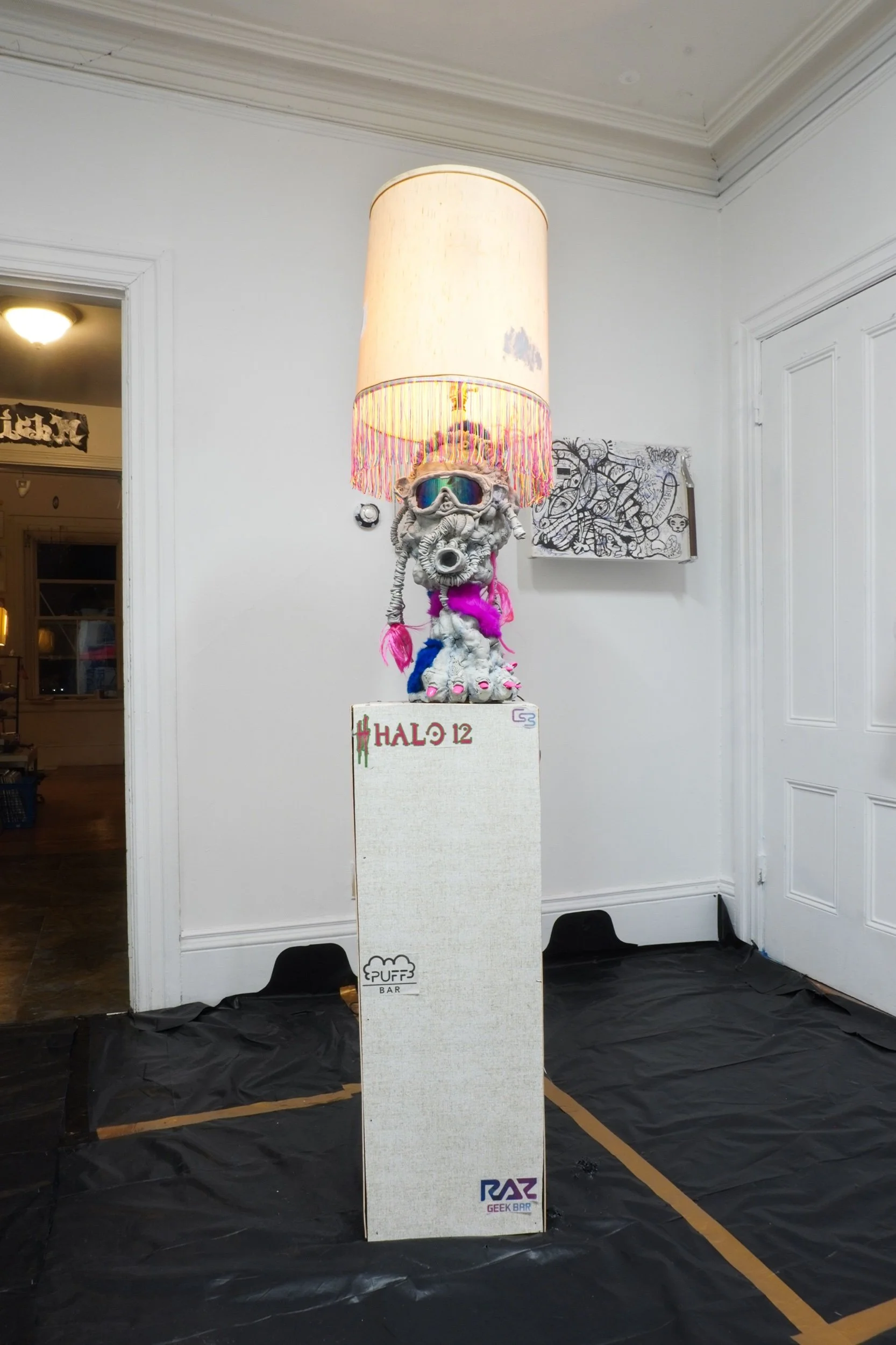
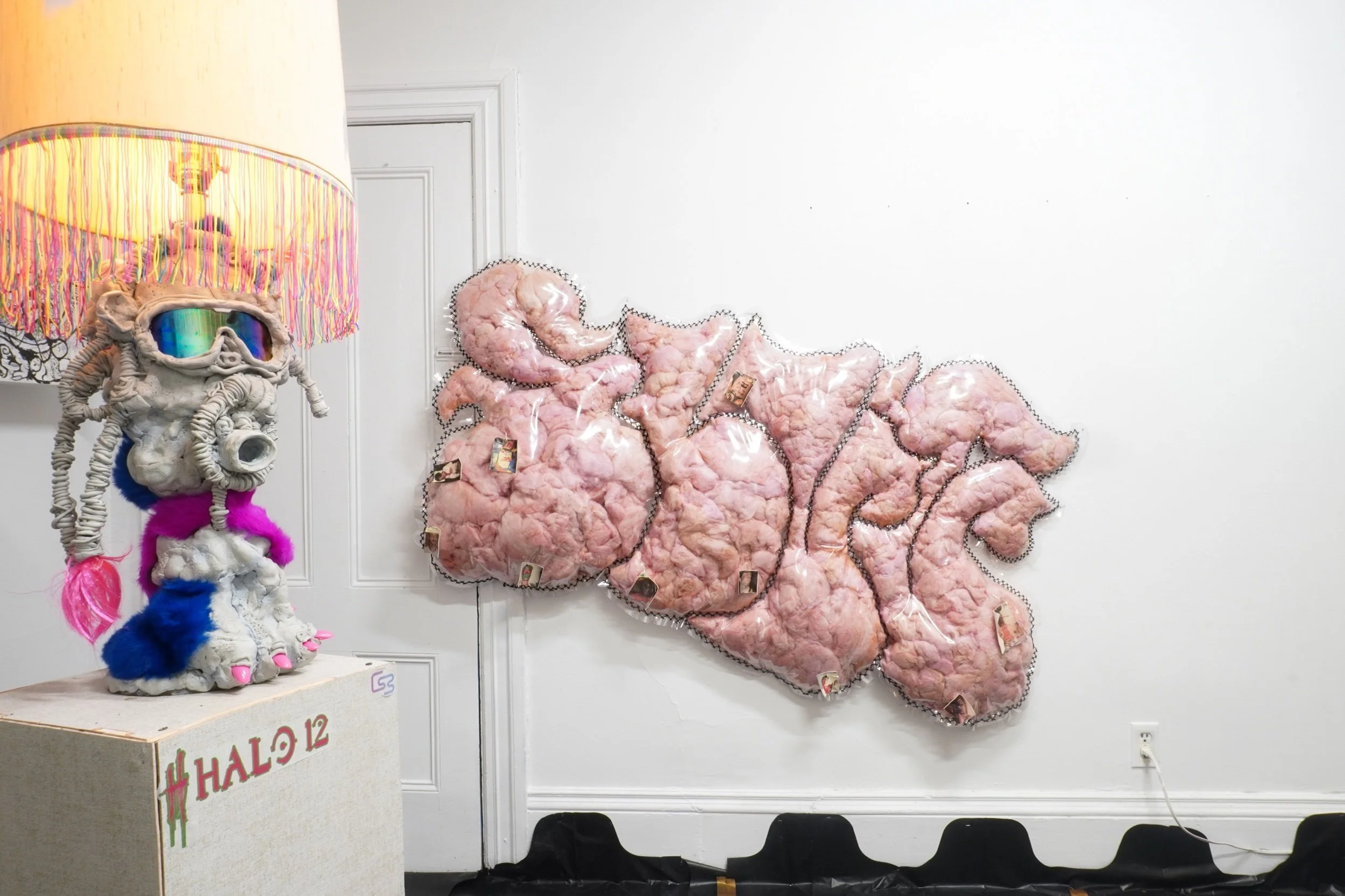
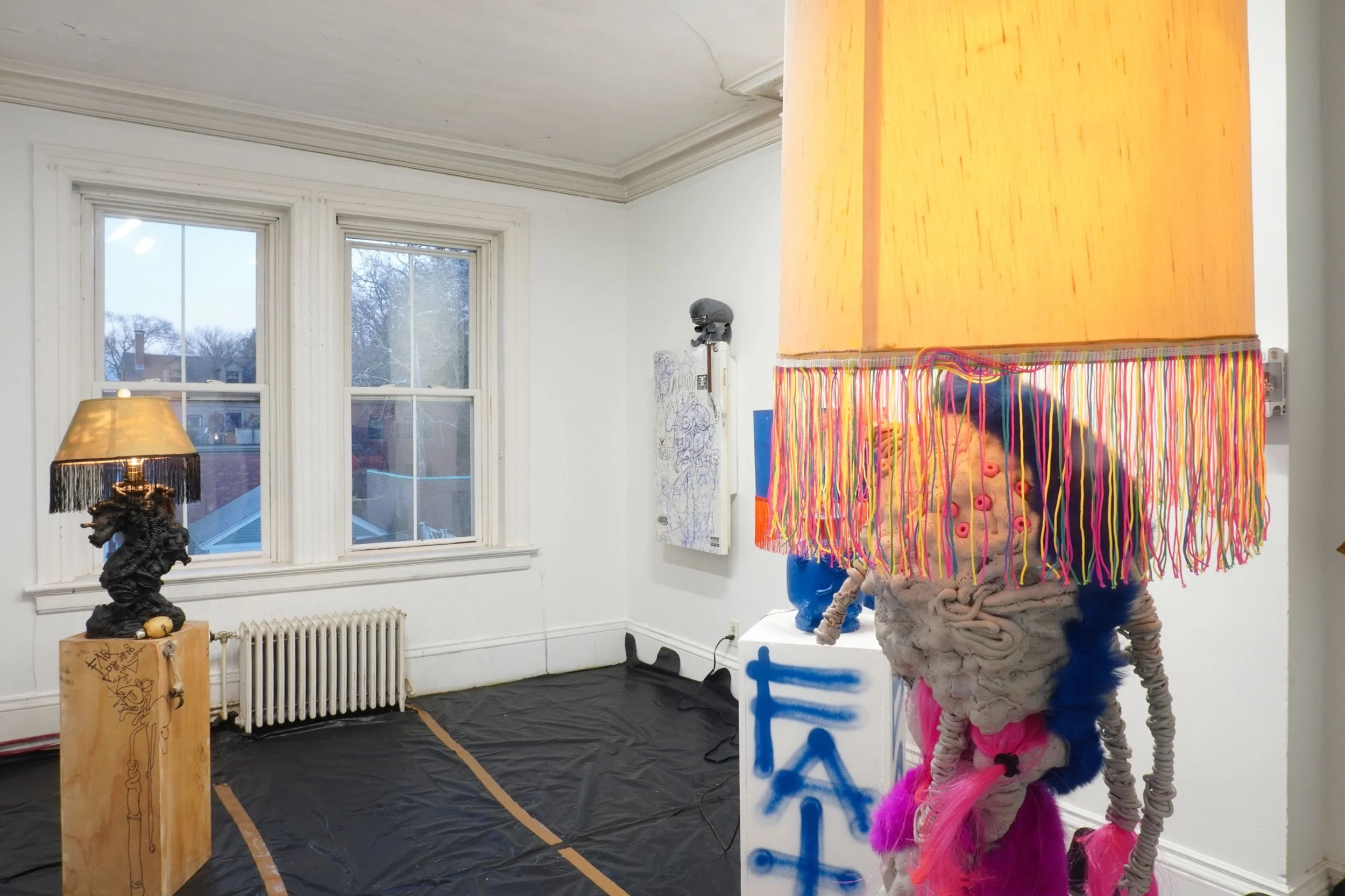
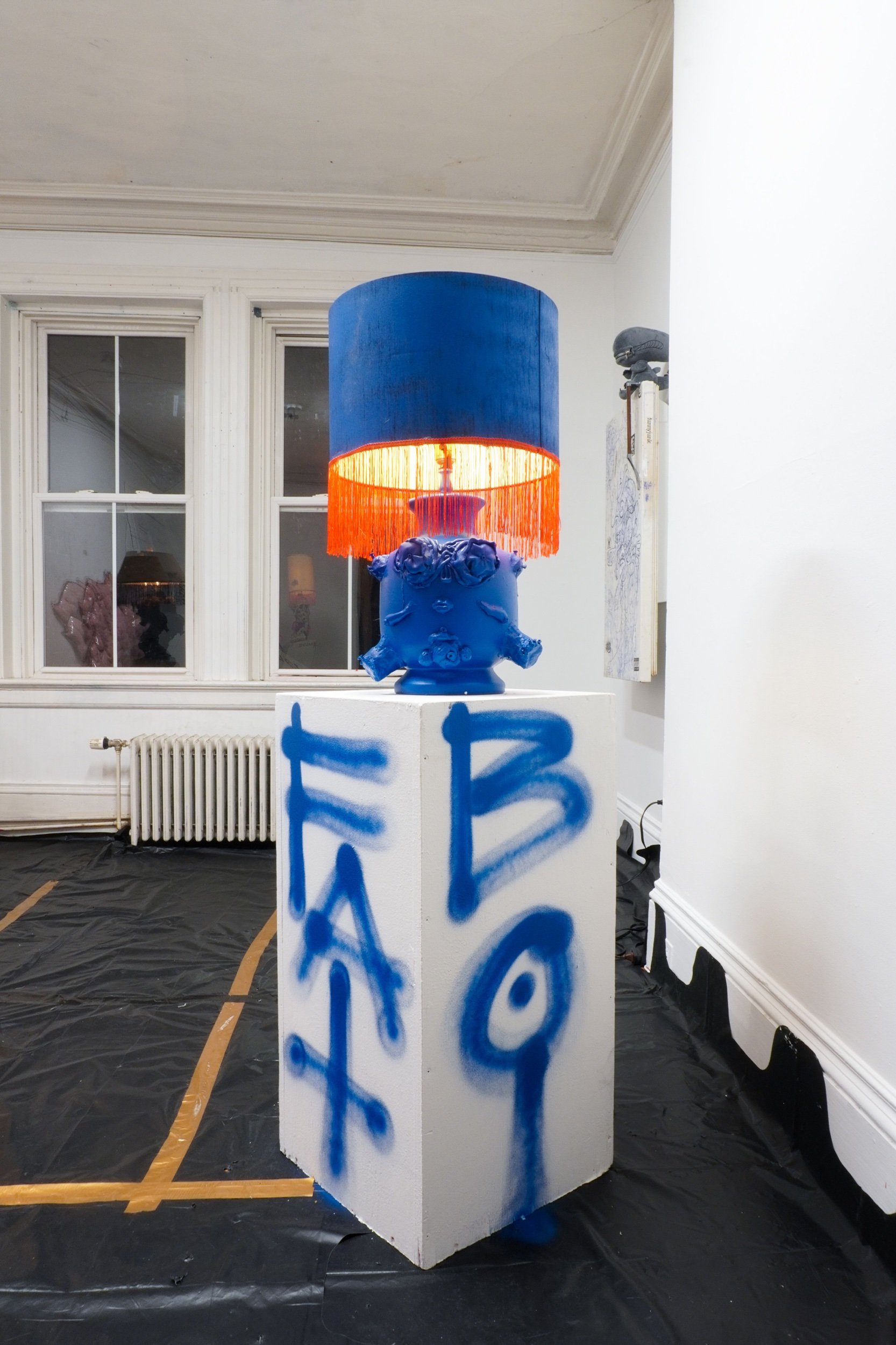
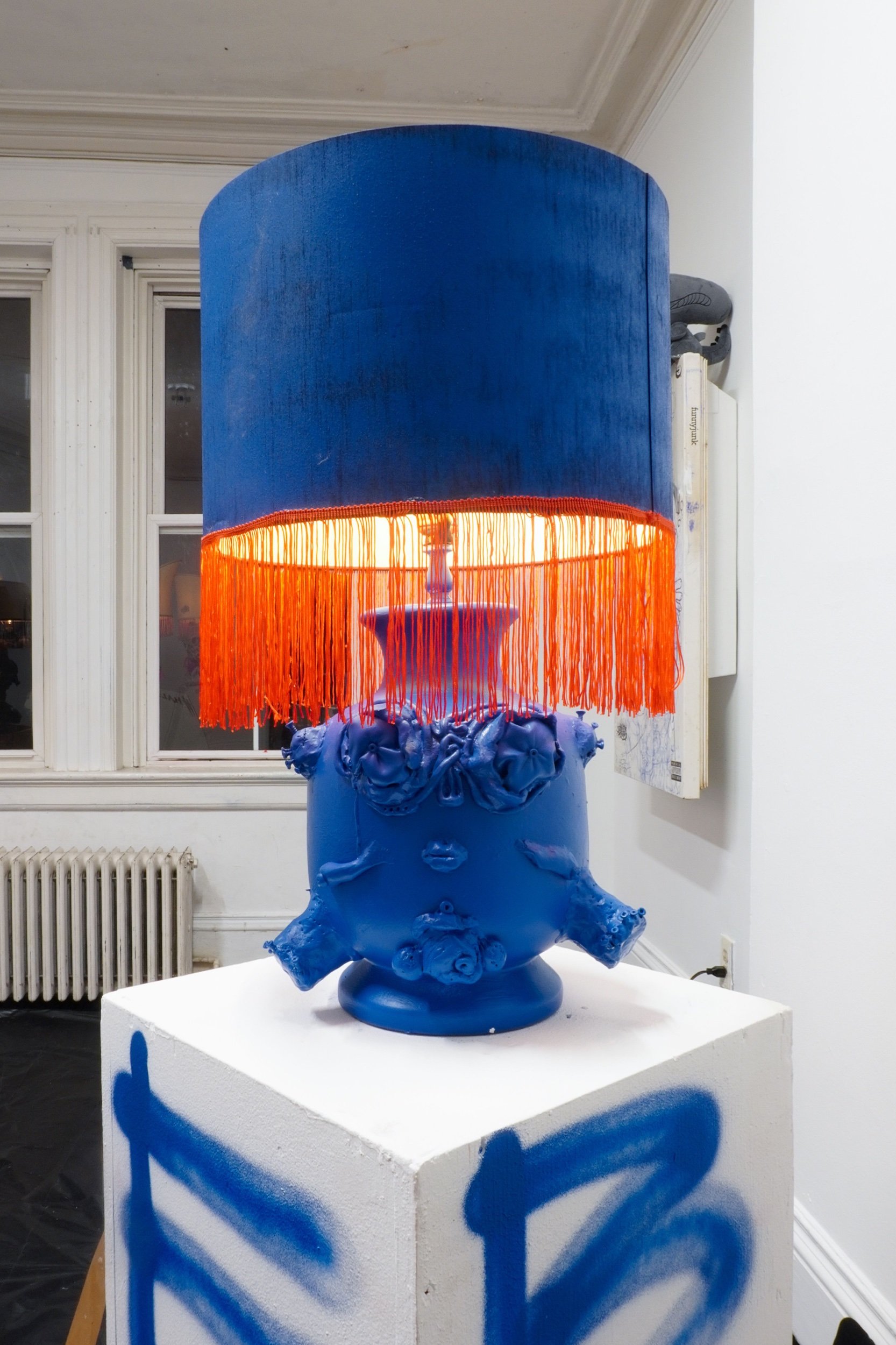
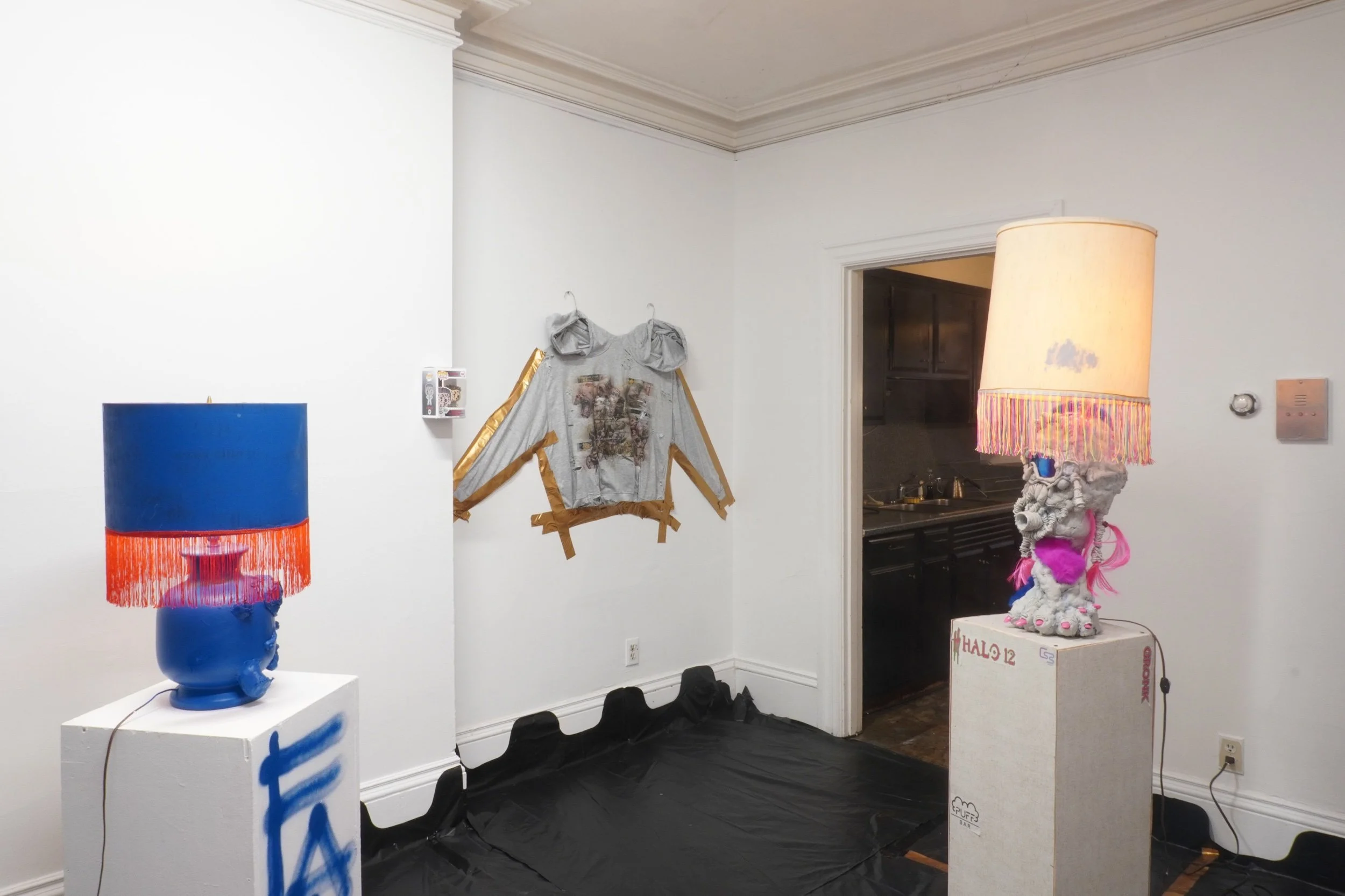
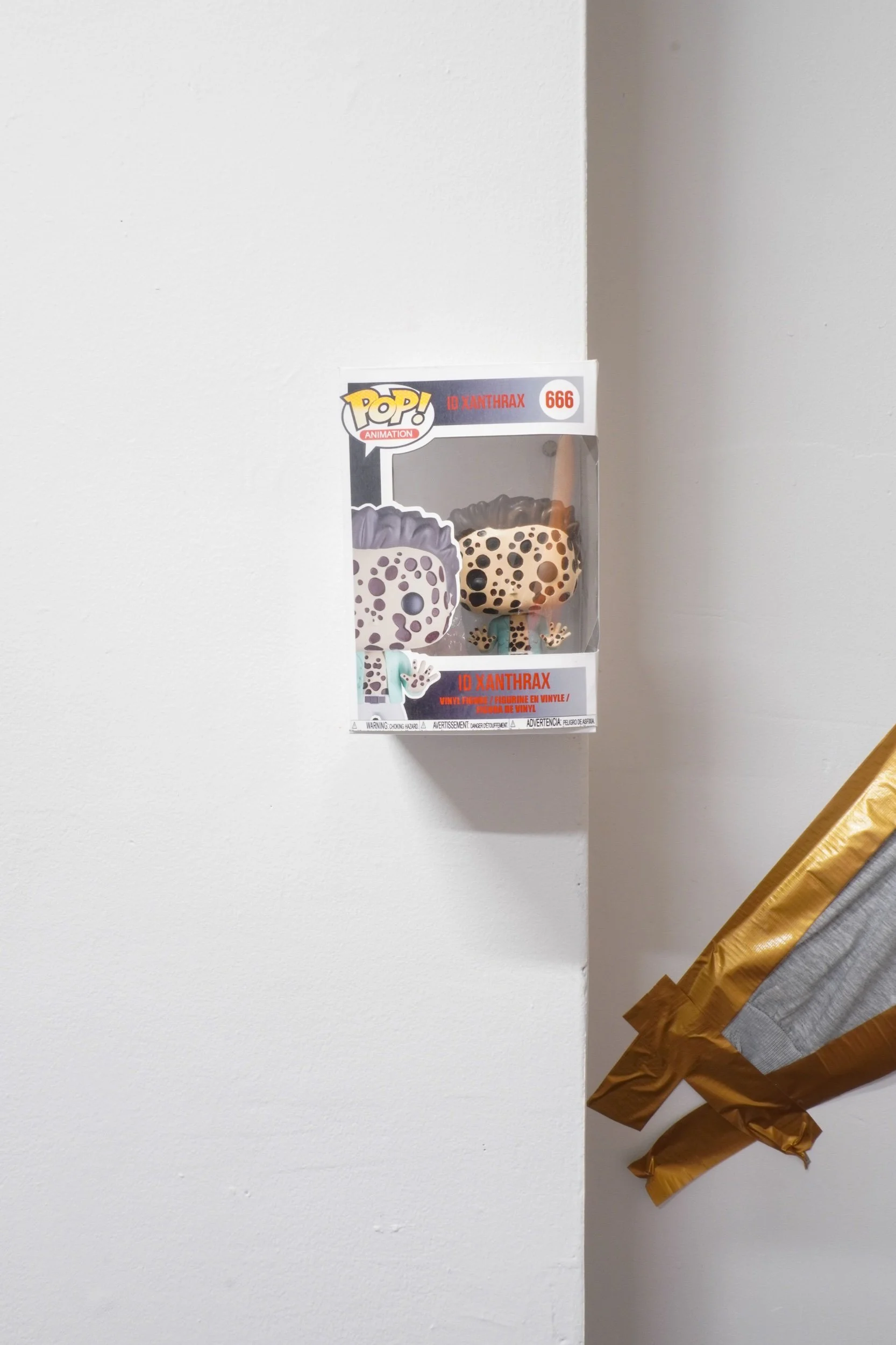
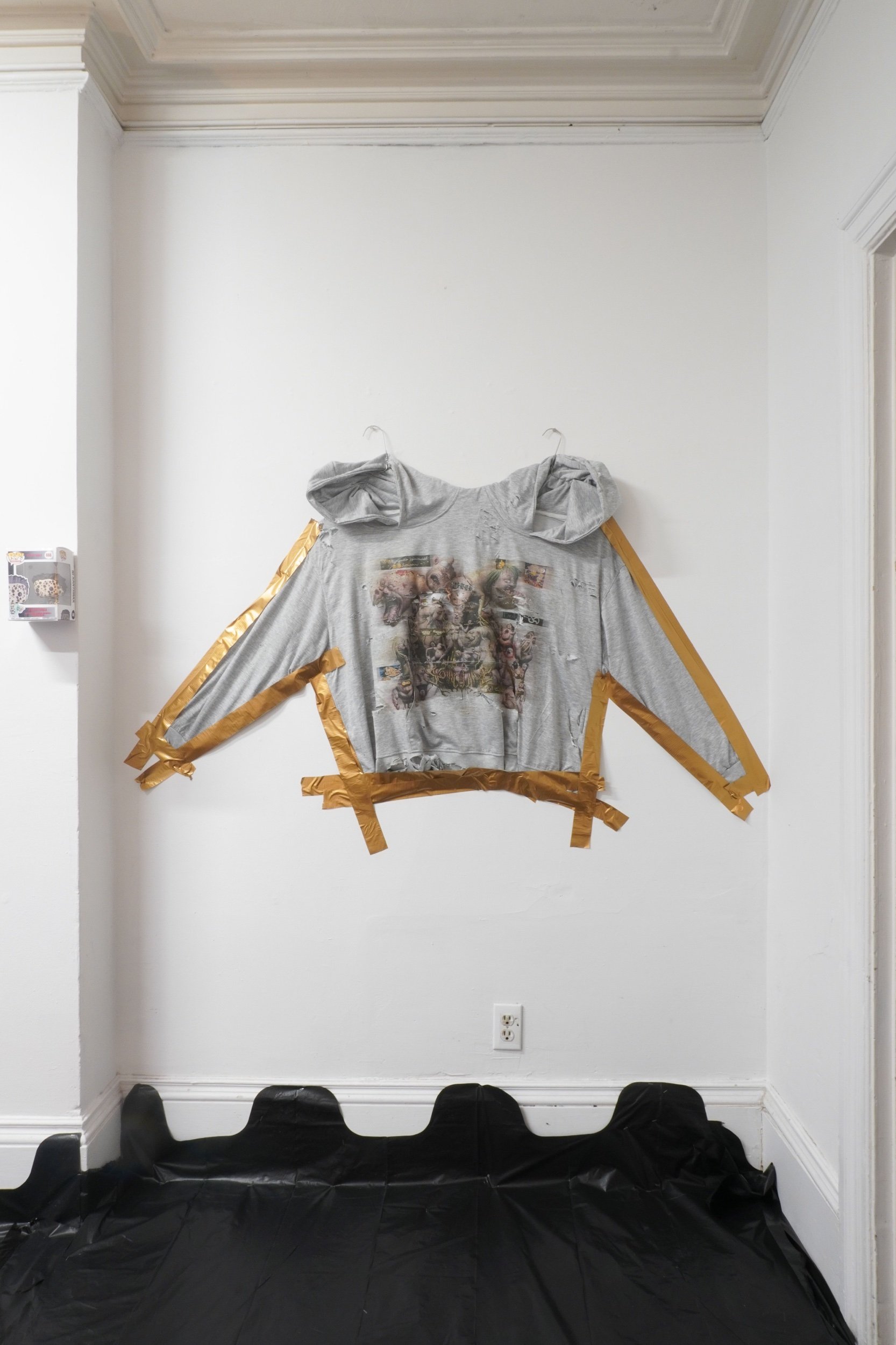
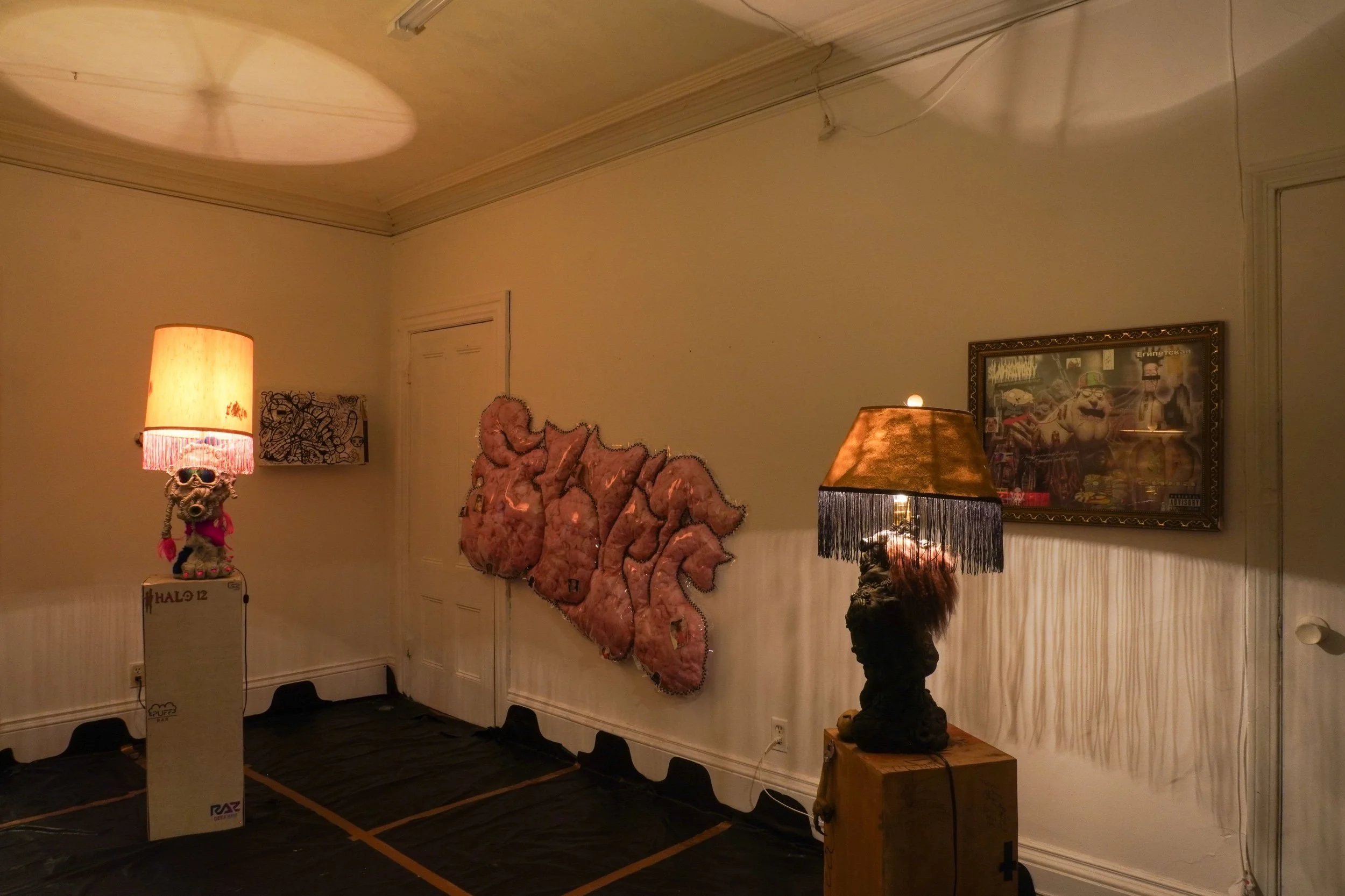
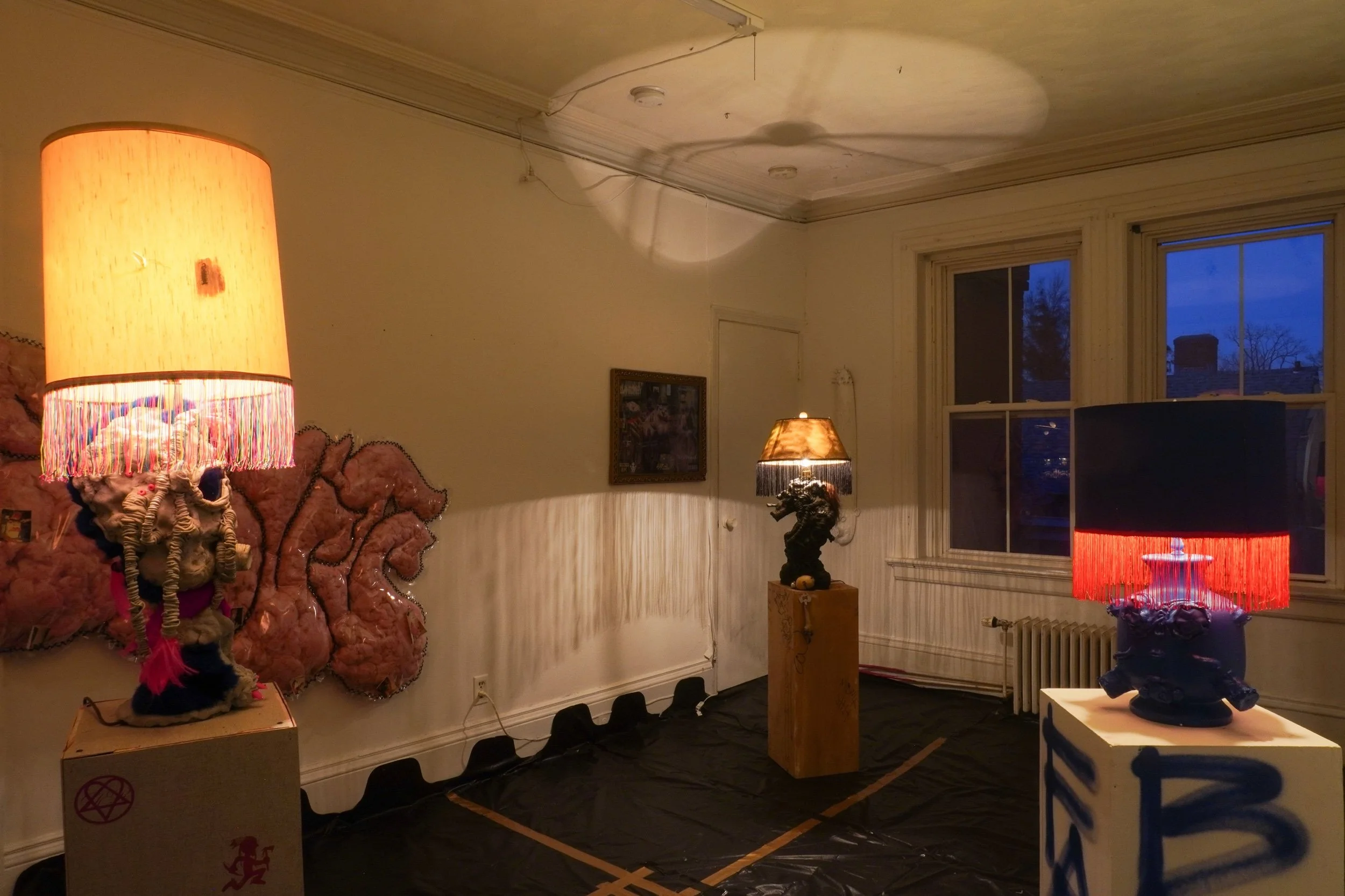
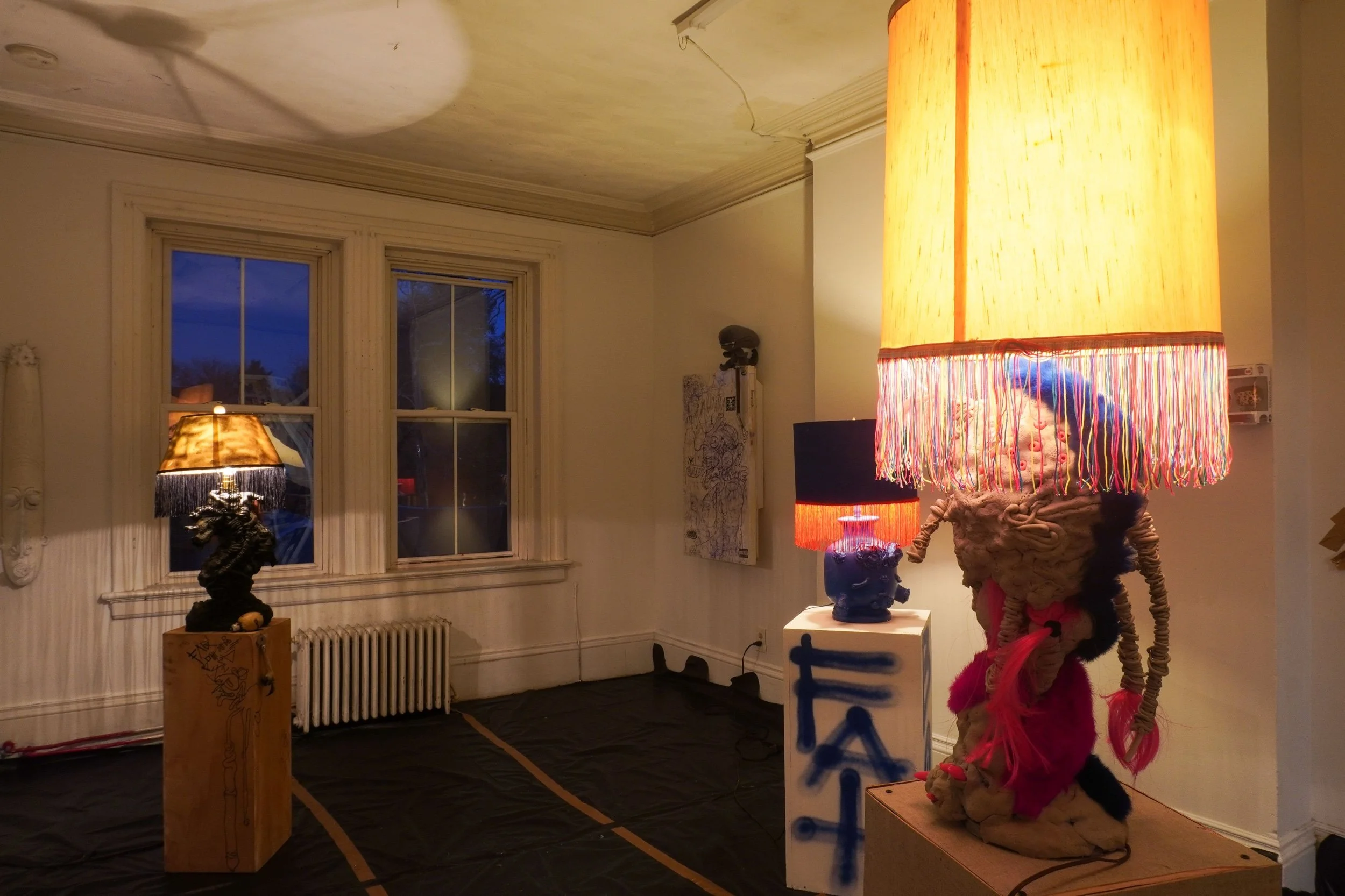
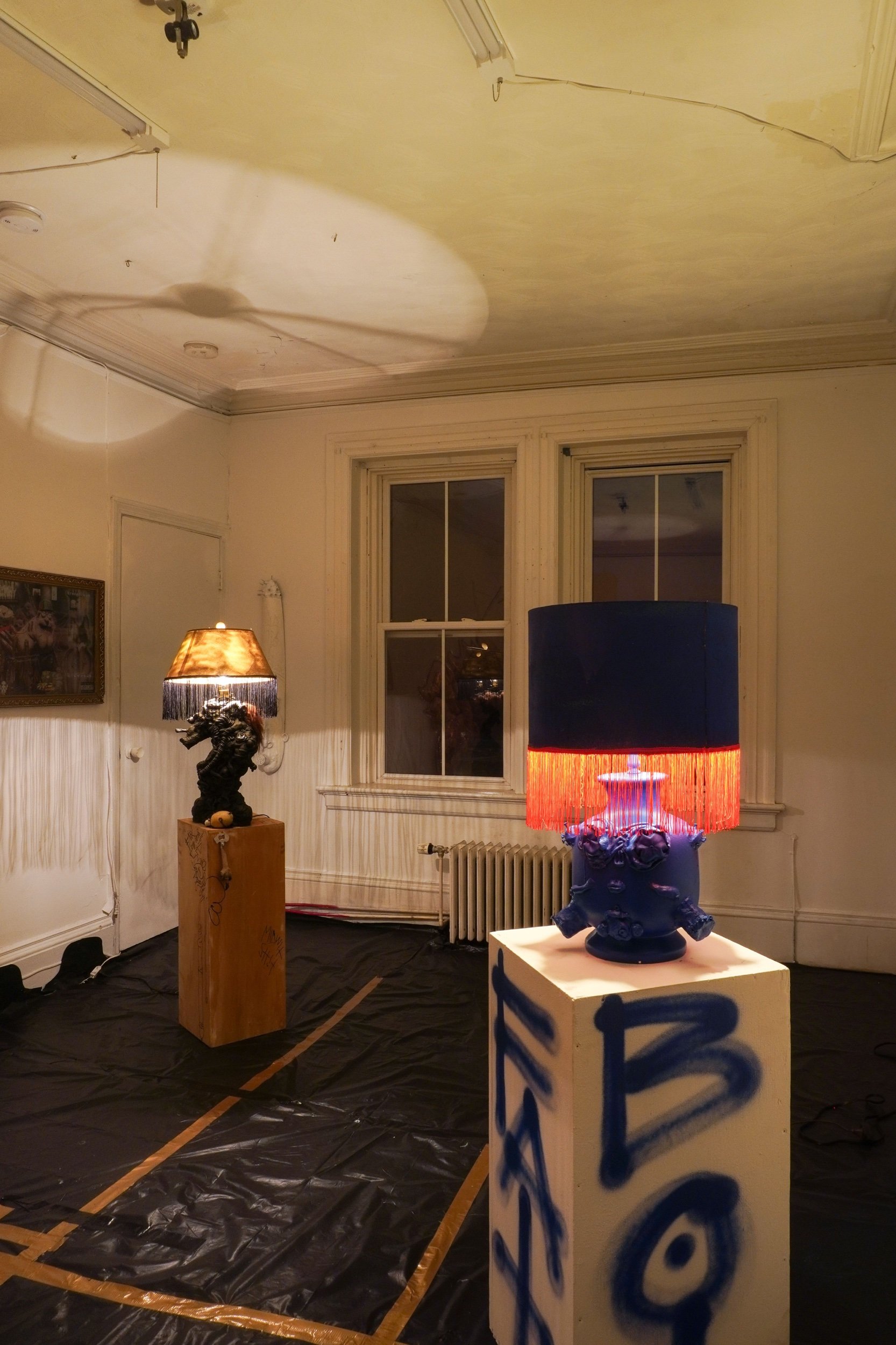
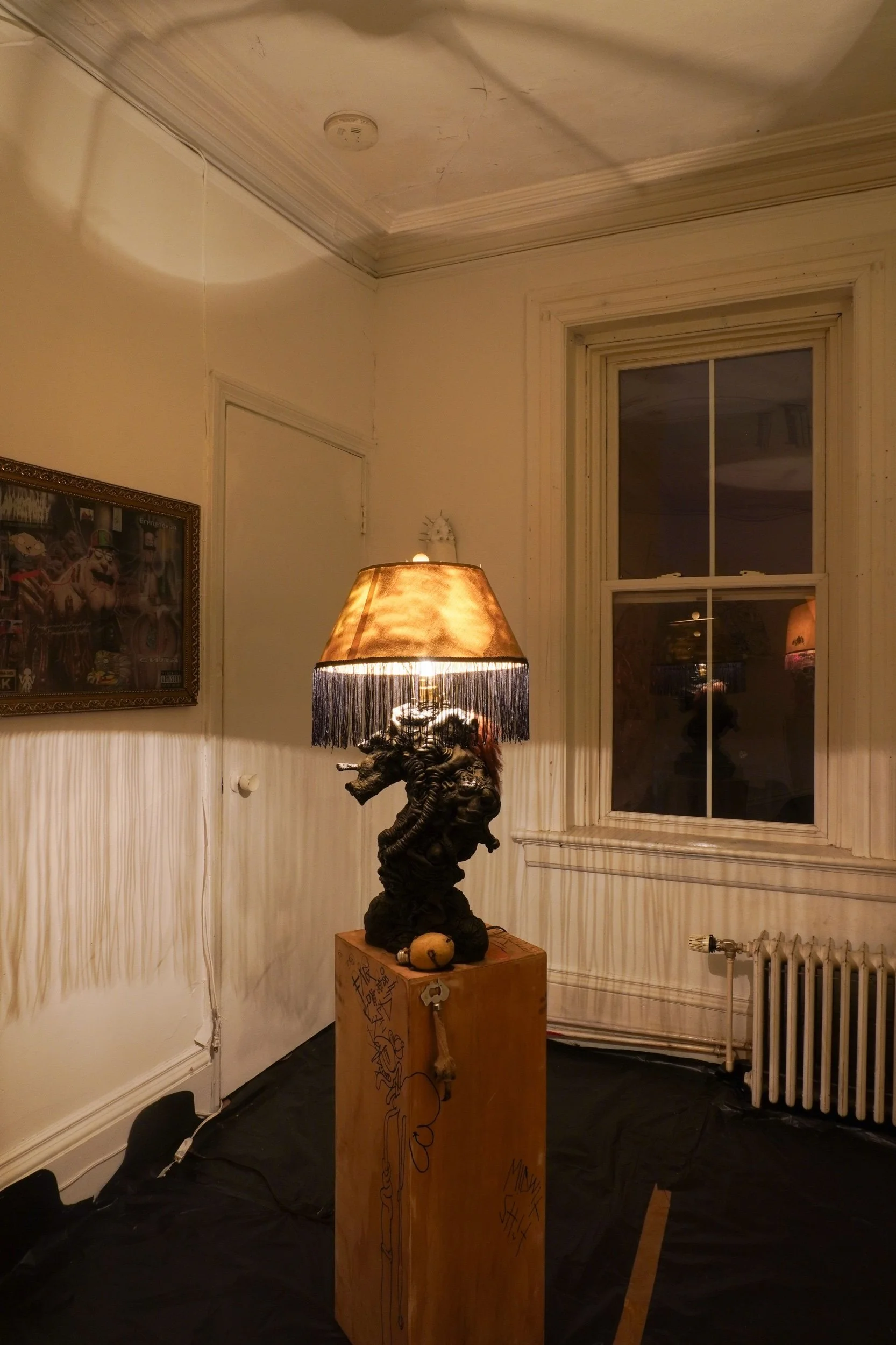
The form of the exhibition has moved increasingly towards a speculative interior design, yet the space remains speculative and hardly ever lived in. The artist's subjectivity and imagination becomes the architectural logic of a fluorescent-lit white cubic space, supposedly a 3D tabula rasa—yet deeply optimized for a particular algorithmic viewing experience. The documentation of these speculative home decor projects attempts to create a total non-space, uncluttered and standardized, not unsimilar to many digital advertising formats, creating a sort of floating AI mock-up, a speculative object suspended in a not-yet. Meanwhile, real Objecthood becomes ghettoized (the hood-object!), plagued by its own entropy and neglect, fading from legibility in a low-lit graininess, as technical images dominate attention economies. These images of speculative materiality proliferate aggressively, yet thingness remains slow and heavy (sluggish), beholden to human labour, the limitations of supply chain dynamics, and entropics. The contemporary sculptor becomes the logistics worker of a global supply chain, forced to contend with a seemingly unlimited, psychedelic and highly customizable materiality—a materiality influenced by collective, algorithmic desire, and social manufacturing spun up by fourth industrial revolution technologies with an ambition to flatten the manufacture, production, and delivery systems of our global supply chain into a complex AI-powered robotic machine akin to a sci-fi replicator. Temu merchandise becomes as clever and complex as a Dadaist readymade, Fiverr privatizes exploitation and makes you your own CEO, and many print-on-demand customization services have perfected the Prosumer model of the User, flattening them into Content Creator and Audience simultaneously. With this, the Artist recedes, becoming less and less distinguishable from the User, and the User less and less distinguishable from the Manufacturer of their own algorithmically influenced personal brand. The algo drives the human creative instinct into feedback loops of memetics and Slop within an imagescape defined by the overproduction of anachronisms and cyclical trend-based nostalgia, creating an image-rich, materially-poor world unable to produce its own futurity. Simultaneously, the increasingly embourgeoised hyper-markets of art objects recede into their own manufactured scarcity and neo-craftsmanship – gaming hyper-speculation and price manipulation in high-risk markets, materializing a sort of super rare merchandise for the hyper-wealthy—an objecthood positioned at the highest level of the artist-trickster's ontological scam. Luxury superfluity is not strictly the domain of the wealthy anymore either, and scarcity has been programmed into Web 3.0 cryptographic image-making as well. Yet the difference between the Arte-ricca (or the rich art) of the NFT and the increasingly fetishized impoverishment of the metadata-rich (in the material sense) art object is in its transmission and its collective engagement. When a sculpture or painting is speculated upon as an object used for the storage of value, stored away out of public sight and mind in a Freeport, the art-historical object-commodity becomes fully privatized and inaccessible to historical engagement, producing a new form of word-of-mouth oral history which becomes the practice of the curator or art historian. Blemish out as much history as possible to make the rapid evolution of aesthetics less incomprehensible, less overwrought. Yet the tactic of the NFT is a procession-based viewing experience, a medieval or pre-modern understanding of the experience of divine beauty or sublimity. The mint becomes a procession, and the generative abundance of image making tools like hashlips allows for the format to programatise its own memetic transmission. The neglect of the art-object creates a different topology of poor-objecthood, one not born of the same hypertransmission of AI and robotic-assisted manufacturing, nor the nostalgic transmission or passing down of a thrifted or second-hand object laden with folklore and the fetishized manufacturing materials and techniques of a different time. It is rather a neglect of the artefacts of art history themselves, and an intentional censorship of the complexity of such localised histories—both private (domestic) and public (ecclesiastical). It is a disregard for the power of the fetish artefact itself preferring a total prioritisation of the Artsy advert-image, resulting in a full blown Damnatio memoriae of subcultural reality. Many subcultures of visual production now build their own modalities of transmission into the work itself, generative NFTs are industrial memes, graffiti takes reality into its own hands employing geurrilla marketing, SoundCloud rappers co-sign and collaborate aggressively to create different nodes of exposure, noise artists mimic the information overload of the imagescape itself. Yet there are constant (usually failed) attempts by insiders and art world actors to keep these working class forms suppressed and invisible. Apartment 13 is an example of a space dedicated to the highly ambitious project of expressing and celebrating these complex histories, and the current show by @Id_Xanthrax hopes to elucidate an experimental proposal for new ontologies of objecthood, attempting to create modes of sculpture making which contend with these novel conditions— presenting a genuinely lived-in space with genuinely lived-with objects against the speculative; a post-slop home decor.